
Shackles
Bow and dee shackles in screw pin and safety bolt patterns for connecting slings, hooks and lifting gear. The range includes Green Pin, with stainless steel shackles for marine and washdown use. Add a swivel where the load needs to rotate. Many Green Pin shackles can also be hired; see shackle hire.
- Products
- 106
- Brands
- Green Pin, Gunnebo Industries +5
- Price from
- £0.63
- Certification
- ✓ UKCA & CE
-
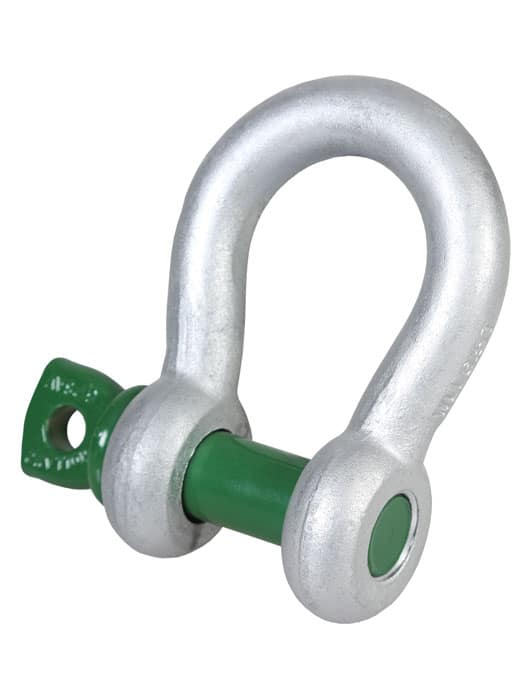 Hire or buyGreen PinGreen Pin Standard Bow Shackle with Screw Collar Pin GPSCBSize0.33t – 55tAvailable18 sizesDelivery1–3 daysfrom£3.54inc VAT£2.95ex VAT
-
 GTBlue Pin Dee Shackle, Safety Nut and Bolt, 1 t to 55 t BPSADSize1T – 55TAvailable14 sizesDelivery1–3 daysfrom£1.80inc VAT£1.50ex VAT
-
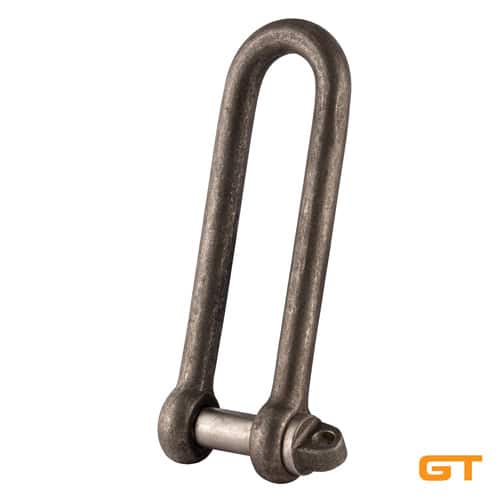 GTLong Dee Piling Shackle with Screw Collar Pin HTLDPSize1T – 5TAvailable6 sizesDelivery1–3 daysfrom£13.94inc VAT£11.62ex VAT
-
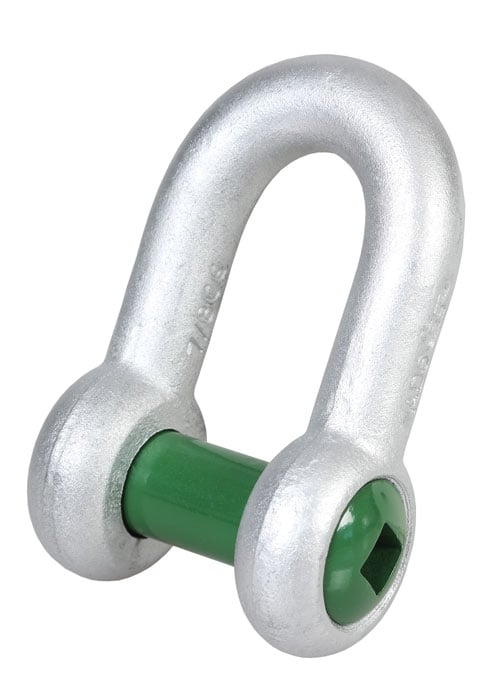 Green PinGreen Pin Square Sunken Hole Bow Shackle GPSQSUBSize2T – 17TAvailable8 sizesDelivery1–3 daysfrom£13.91inc VAT£11.59ex VAT
-
 CrosbyCrosby G-2110 ROV Release & Retrieve Shackle ─ Non-ThreadedSizeWLL 85t +6Available7 optionsDelivery2–3 daysfrom£1,117.34inc VAT£931.12ex VAT
-
 CrosbyCrosby G-210 Screw Pin Chain ShackleSize1" WLL 8 1/2t +15Available16 optionsDelivery2–3 daysfrom£7.54inc VAT£6.28ex VAT
-
 CrosbyCrosby S-209T Theatrical ShackleSize1/2" WLL 2t +4Available5 optionsDelivery2–3 daysfrom£7.98inc VAT£6.65ex VAT
-
 Gunnebo IndustriesGunnebo Industries Dee Shackle No 834Size16mm – 45mmAvailable9 sizesDelivery2–3 daysfrom£10.33inc VAT£8.61ex VAT
-
 Gunnebo IndustriesGunnebo Industries Stainless Steel Shackle No 750Size8mm – 19mmAvailable6 sizesDelivery2–3 daysfrom£11.02inc VAT£9.18ex VAT
-
 Gunnebo IndustriesGunnebo Industries Shackle SASizeSA-10-8 WLL 3.2t +6Available7 optionsDelivery2–3 daysfrom£25.45inc VAT£21.21ex VAT
-
 Gunnebo IndustriesGunnebo Industries Stainless Steel Shackle No 755Size10mm – 32mmAvailable8 sizesDelivery2–3 daysfrom£20.66inc VAT£17.22ex VAT
-
 Gunnebo IndustriesGunnebo Industries Stainless Steel Shackle No 735Size10mm – 32mmAvailable8 sizesDelivery2–3 daysfrom£17.84inc VAT£14.87ex VAT
-
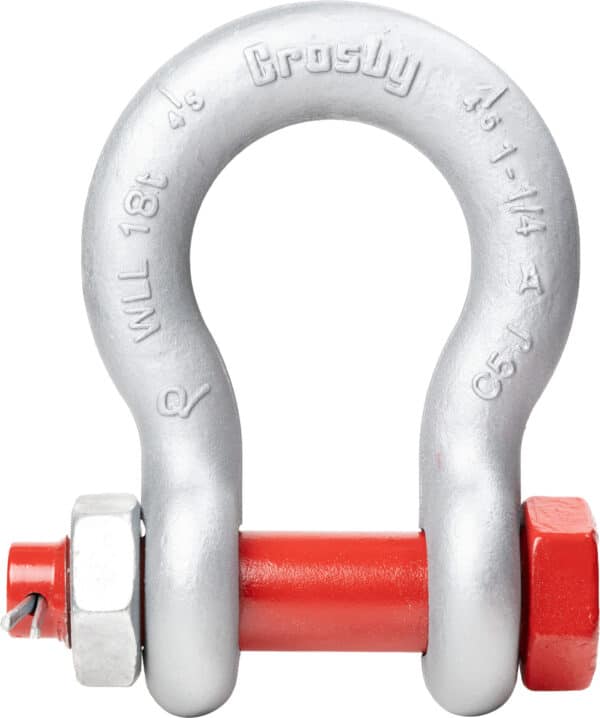 CrosbyCrosby G-2140 Alloy Bolt Type Anchor ShackleSize1-1/2" WLL 30t +11Available12 optionsDelivery2–3 daysfrom£17.75inc VAT£14.79ex VAT
-
 Gunnebo IndustriesGunnebo Industries ROV Release Shackle No 863SizeWLL 9.5t +6Available7 optionsDelivery2–3 daysfrom£127.73inc VAT£106.44ex VAT
-
 CrosbyCrosby G-2160E Easy-Loc Wide Body ShackleSizeWLL 75t +3Available4 optionsDelivery2–3 daysfrom£1,717.94inc VAT£1,431.62ex VAT
-
 Gunnebo IndustriesGunnebo Industries ROV Retrieve Shackle No 861Size5 – 6Available7 sizesDelivery2–3 daysfrom£1,596.07inc VAT£1,330.06ex VAT
-
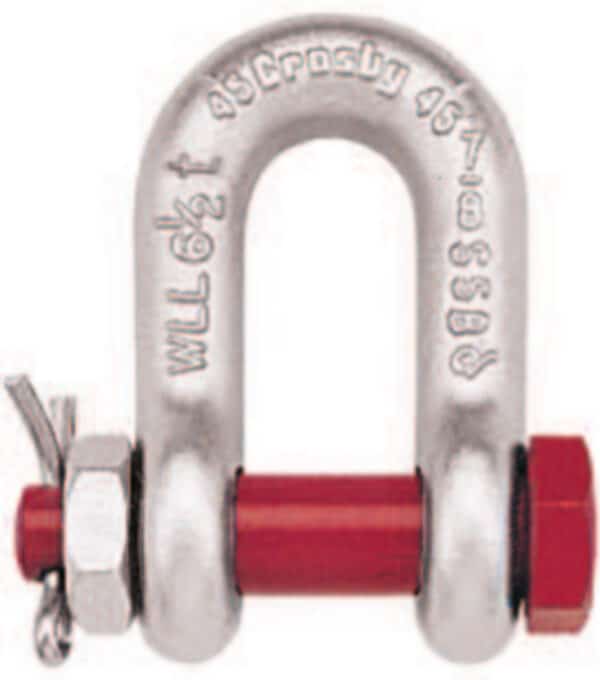 CrosbyCrosby G-2150 Bolt Type Chain ShackleSize1" WLL 8 1/2t +15Available16 optionsDelivery2–3 daysfrom£9.85inc VAT£8.21ex VAT
-
 CrosbyCrosby G-2140CT COLD TUFF Alloy Bolt Type Anchor ShackleSize1-1/2" WLL 30t +4Available5 optionsDelivery2–3 daysfrom£643.50inc VAT£536.25ex VAT
-
 CrosbyCrosby G-2100 ROV Release & Retrieve Shackle ─ QUIC-ThreadedSizeWLL 85t +6Available7 optionsDelivery2–3 daysfrom£1,117.34inc VAT£931.12ex VAT
-
 CrosbyCrosby G-2130 / S-2130 Bolt Type Anchor ShackleSizeG-2130OC 5/8" WLL 3 1/4t +25Available26 optionsDelivery2–3 daysfrom£10.04inc VAT£8.37ex VAT
-
 Gunnebo IndustriesGunnebo Industries Super Shackle No 858Size13mm – 45mmAvailable10 sizesDelivery2–3 daysfrom£19.21inc VAT£16.01ex VAT
-
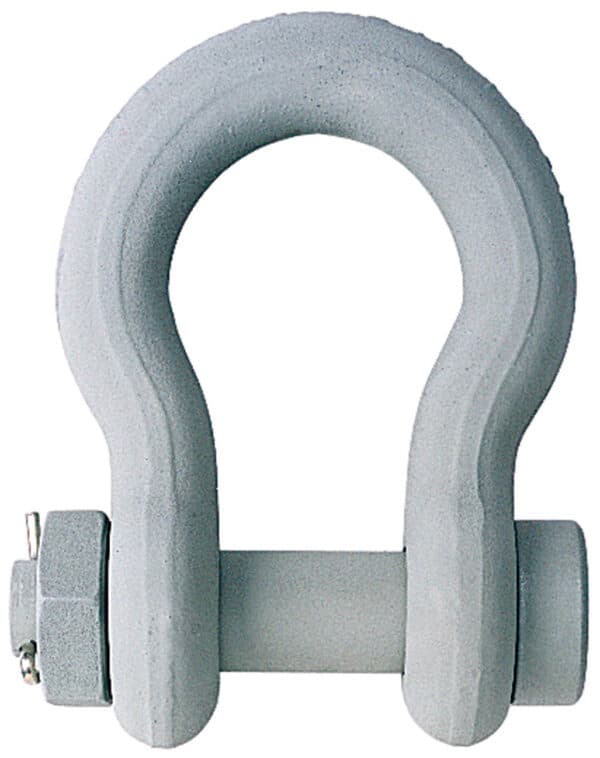 CrosbyCrosby G-2130CT COLD TUFF Bolt Type Anchor ShackleSize1-1/2" WLL 17t +7Available8 optionsDelivery2–3 daysfrom£239.86inc VAT£199.88ex VAT
-
 Gunnebo IndustriesGunnebo Industries Dee Shackle No 835Size16mm – 45mmAvailable9 sizesDelivery2–3 daysfrom£11.30inc VAT£9.42ex VAT
-
 CrosbyCrosby S-253 Screw Pin Sling ShackleSize1WLL – 13WLLAvailable7 sizesDelivery2–3 daysfrom£34.13inc VAT£28.44ex VAT
-
 Gunnebo IndustriesGunnebo Industries Stainless Steel Shackle No 732Size13mm – 19mmAvailable3 sizesDelivery2–3 daysfrom£59.87inc VAT£49.89ex VAT
-
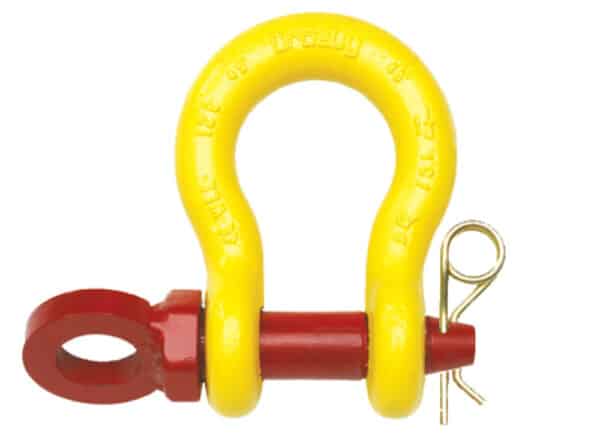 CrosbyCrosby G-209R Subsea ShackleSizeWLL 17t +8Available9 optionsDelivery2–3 daysfrom£128.70inc VAT£107.25ex VAT
-
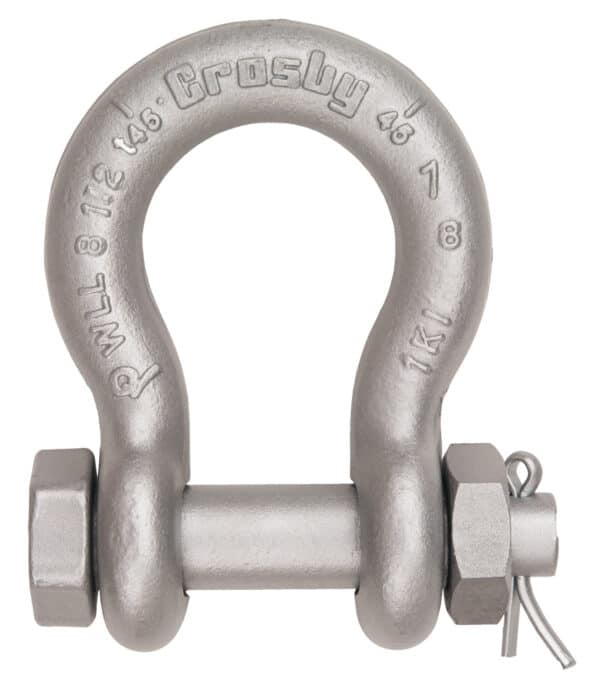 CrosbyCrosby G-2130A Alloy Bolt Type Anchor Shackle Grade 8Size1" WLL 8.5t +8Available9 optionsDelivery2–3 daysfrom£15.60inc VAT£13.00ex VAT
-
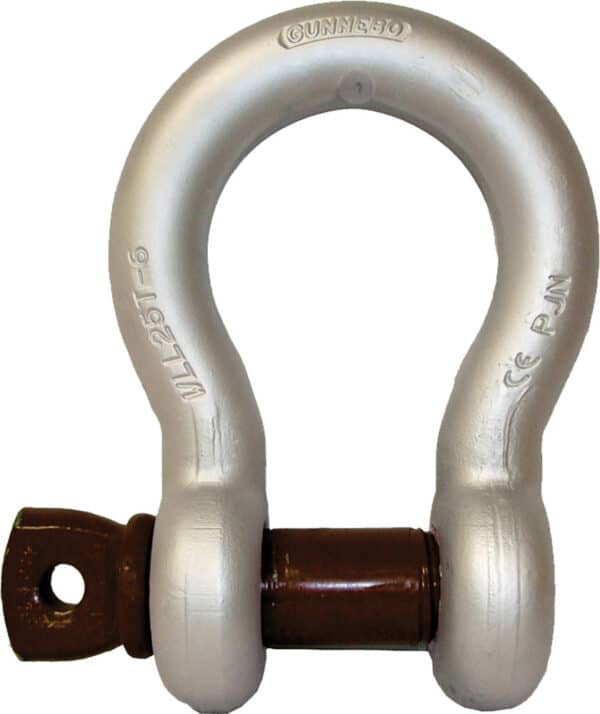 Gunnebo IndustriesGunnebo Industries Bow Shackle No 854Size13mm – 65mmAvailable12 sizesDelivery2–3 daysfrom£5.23inc VAT£4.36ex VAT
-
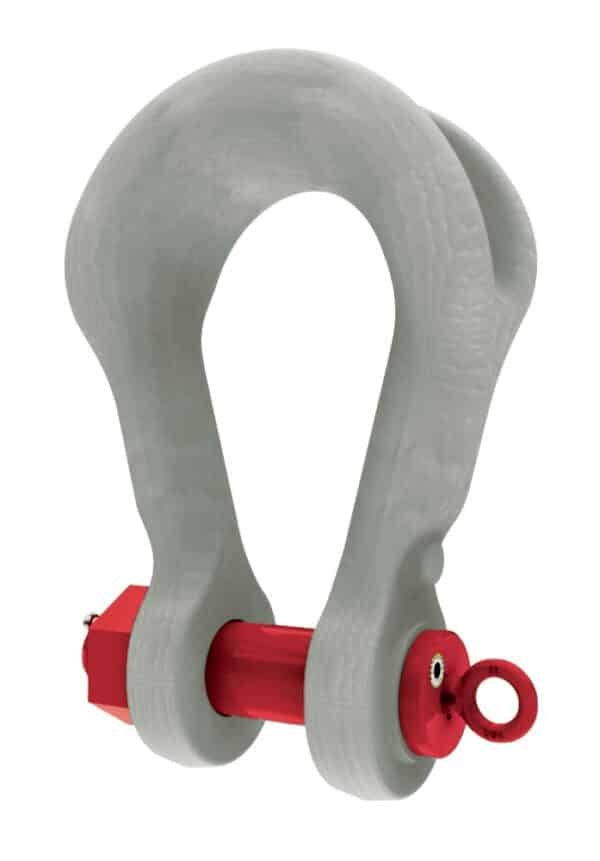 CrosbyCrosby G-2160 Wide Body ShackleSizeWLL 7t +3Available4 optionsDelivery2–3 daysfrom£138.44inc VAT£115.37ex VAT
-
 Gunnebo IndustriesGunnebo Industries Arctic Shackle No 856Size13mm – 65mmAvailable12 sizesDelivery2–3 daysfrom£11.30inc VAT£9.42ex VAT
-
 CrosbyCrosby G-2169 Alloy Screw Pin Wide Body ShackleSizeWLL 7t +2Available3 optionsDelivery2–3 daysfrom£33.16inc VAT£27.63ex VAT
-
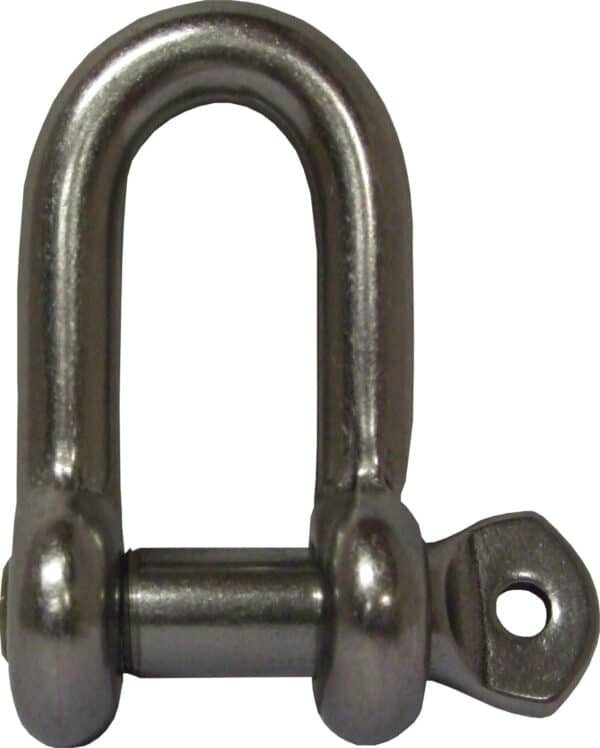 Gunnebo IndustriesGunnebo Industries Stainless Steel Shackle No 730Size8mm – 19mmAvailable6 sizesDelivery2–3 daysfrom£10.82inc VAT£9.02ex VAT
-
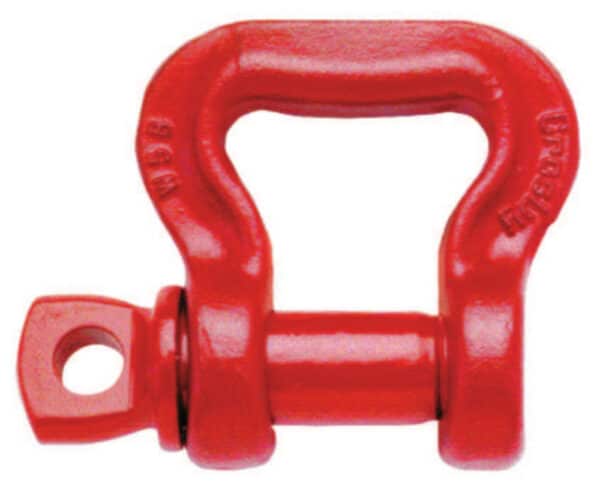 CrosbyCrosby S-281 Web Sling ShackleSize1WLL – 5WLLAvailable4 sizesDelivery2–3 daysfrom£24.77inc VAT£20.64ex VAT
-
 CrosbyCrosby G-2140E Alloy Easy-Loc ShackleSize4-3/4" WLL 200t +1Available2 optionsDelivery2–3 daysfrom£8,672.63inc VAT£7,227.19ex VAT
-
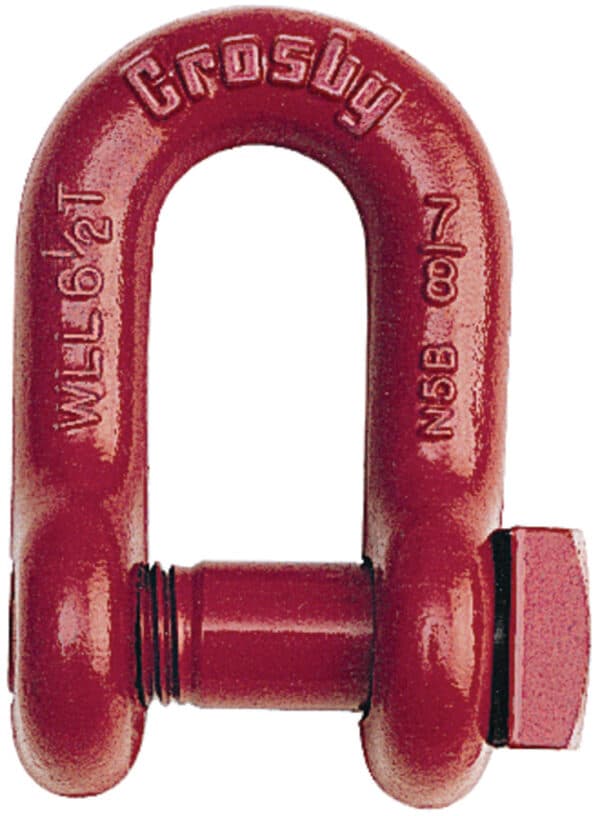 CrosbyCrosby S-2131 Trawling ShackleSize1/2" WLL 2t +4Available5 optionsDelivery2–3 daysfrom£10.63inc VAT£8.86ex VAT
-
 Gunnebo IndustriesGunnebo Industries Clevis Shackle GSASizeGSA-13-8 WLL 5.4t +3Available4 optionsDelivery2–3 daysfrom£48.36inc VAT£40.30ex VAT
-
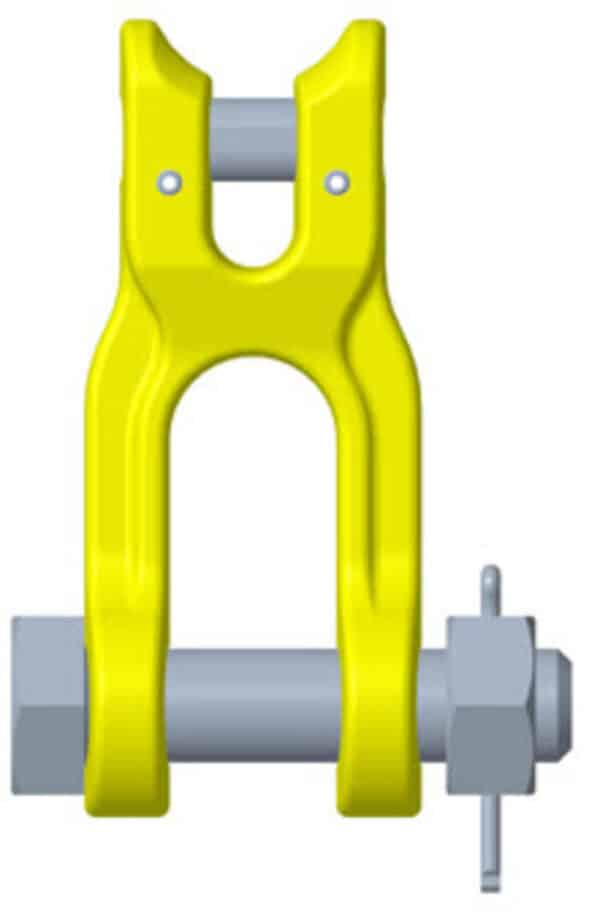 Gunnebo IndustriesGunnebo Industries Narrow Jaw Shackle KDNSizeKDN13N WLL 6.7t +3Available4 optionsDelivery2–3 daysfrom£70.30inc VAT£58.58ex VAT
-
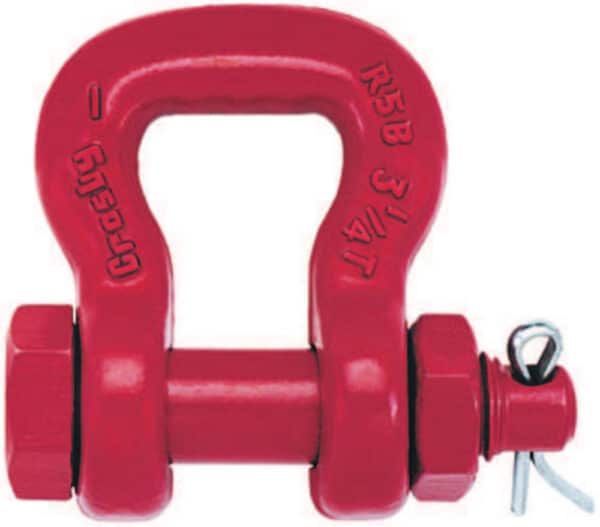 CrosbyCrosby S-252 Bolt Type Sling ShackleSize1WLL – 13WLLAvailable7 sizesDelivery2–3 daysfrom£35.98inc VAT£29.98ex VAT
-
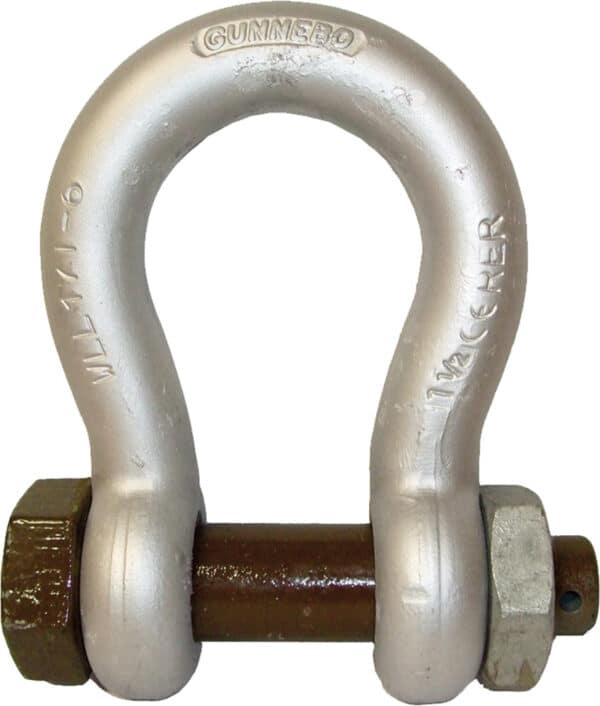 Gunnebo IndustriesGunnebo Industries Bow Shackle No 855Size13mm – 65mmAvailable12 sizesDelivery2–3 daysfrom£8.16inc VAT£6.80ex VAT
-
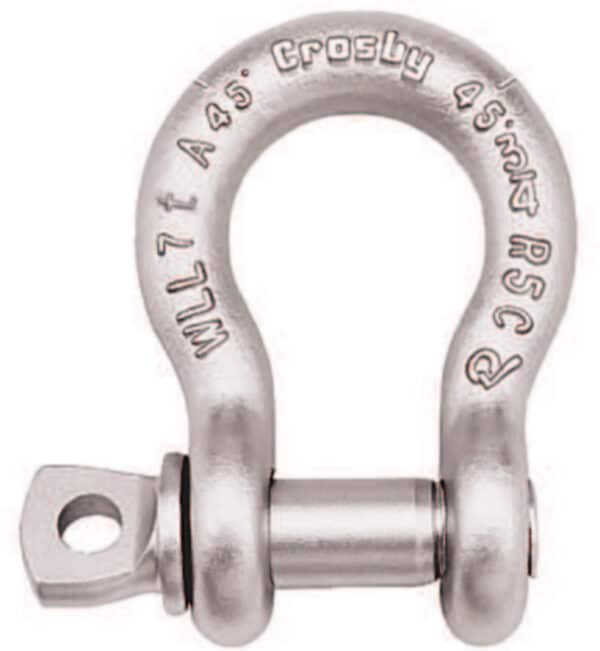 CrosbyCrosby G-209A Alloy Screw Anchor Pin ShackleSize1" WLL 12.5t +9Available10 optionsDelivery2–3 daysfrom£16.28inc VAT£13.57ex VAT
-
 Gunnebo IndustriesGunnebo Industries Mooring Shackle No 852Size48MBL – 105MBLAvailable6 sizesDelivery2–3 daysfrom£30.32inc VAT£25.27ex VAT
-
 Gunnebo IndustriesGunnebo Industries Mooring bolt T-bolt No 8252SizeØ32 x 400 MBL 40t +3Available4 optionsDelivery2–3 daysfrom£103.36inc VAT£86.13ex VAT
-
 Gunnebo IndustriesGunnebo Industries Countersunk Bow Shackle No A0850Size1/2" WLL 2t +4Available5 optionsDelivery2–3 daysfrom£30.52inc VAT£25.43ex VAT
-
 Gunnebo IndustriesGunnebo Industries Countersunk Bow Shackle No A0850DPSize1/2" WLL 2t +4Available5 optionsDelivery2–3 daysfrom£34.32inc VAT£28.60ex VAT
-
 Gunnebo IndustriesGunnebo Industries Countersunk Dee Shackle No A0830Size1/2” WLL 2t +4Available5 optionsDelivery2–3 daysfrom£18.34inc VAT£15.28ex VAT
-
 Gunnebo IndustriesGunnebo Industries Countersunk Dee Shackle No A0830DPSize1/2” WLL 2.0t +4Available5 optionsDelivery2–3 daysfrom£22.03inc VAT£18.36ex VAT
-
 CrosbyCrosby G-209 / S-209 Screw Pin Anchor ShackleSize1" WLL 8 1/2t +16Available17 optionsDelivery2–3 daysfrom£6.37inc VAT£5.31ex VAT
-
 RaptorRaptor Self Colour Large BOW Shackle Screw PinWorking load .0.45t – 8.5tAvailable10 sizesDelivery1–3 daysfrom£3.60inc VAT£3.00ex VAT


Shackles
Bow shackle or dee shackle
A bow shackle has a rounded body with room for more than one fitting. Use it to collect two sling legs onto a crane hook: put the slings in the bow and the pin in the hook. Green Pin says not to put more than two legs into a bow shackle, and to keep the angle between them to 120 degrees or less. With symmetrical loading, the shackle can then be used at its full WLL.
A dee shackle, also called a straight or chain shackle, is narrower. It suits a single in-line connection, such as joining a chain or sling to a lifting point.
Screw collar pin, safety bolt or fixed nut
- Screw collar pin: quick to fit and remove, for temporary rigging. Screw it in hand-tight, then nip it with a spanner so the collar sits fully against the eye.
- Safety bolt: a bolt, nut and split pin. Green Pin recommends this pin, or a fixed nut, where the shackle stays in place for a long time, where the load or rope can move over the pin and turn it, or where you need the most secure pin. Never use a safety bolt shackle without its split pin.
- Fixed nut safety pin: a captive version of the safety bolt, so the nut cannot be dropped or lost.
Choosing a Green Pin range
Most of the shackles on this page are Green Pin. The ranges differ in steel grade, safety factor and working temperature, which matters if your lift plan or client spec calls for a minimum safety factor.
| Range | Steel | Safety factor | Temperature | Choose it for |
|---|---|---|---|---|
| Standard bow and dee | Grade 6 | 6 | -40 to +200 C | General lifting from 0.33t to 55t |
| Polar | Grade 8 | 6 | -60 to +200 C | Cold stores and freezing outdoor work |
| Super | Grade 8 | 5 | -20 to +200 C | High WLL in a smaller, lighter shackle |
| Wide mouth (BigMouth) | Grade 8 | 6 | -20 to +200 C | Wide lifting lugs and thick fittings |
| Sling shackle | Grade 8 | 5 | -40 to +200 C | Round slings and wire rope grommets |
The sling shackle has a wider bow radius, which spreads the load on a round sling or wire rope and extends the life of the sling. Green Pin Standard and Polar shackles are rated to EN 13889 and US Federal Specification RR-C-271.
The page also carries specialist shackles: theatre shackles, web sling shackles, mooring shackles and ROV shackles for subsea release. ROV shackles are for in-line loading only. For marine and washdown areas, see our stainless steel range.
Heat, side loads and the weakest link
Green Pin shackles keep their full WLL up to 200 degrees Celsius. From 200 to 300 degrees, use 90% of the WLL, and from 300 to 400 degrees, use 75%. Do not use them above 400 degrees.
Shackles are designed for in-line loading. Green Pin advises avoiding side loads, and where one cannot be avoided, the WLL must be reduced in line with Green Pin's side load chart for that shackle type. A rigging assembly is only as strong as its lowest-rated component, so size the shackle to match the sling, hook or lifting point it joins.
The EN 13889 rating assumes there are no exceptionally hazardous conditions. Green Pin lists offshore work, lifting people and loads such as molten metal as examples. For these, the WLL may need to be reduced, so check with the manufacturer before you buy.
Marking and examination
Every shackle must show its WLL and a traceability mark. Green Pin marks WLLs to one decimal place up to 100 tonnes. If the marking cannot be read, withdraw the shackle. Do not weld, heat or modify a shackle. Under LOLER, shackles are lifting accessories and need a thorough examination at least every six months, unless a written examination scheme sets a different interval.
What is the difference between a bow shackle and a dee shackle?
A bow shackle has a rounded body that can take up to two sling legs at an included angle of up to 120 degrees. A dee shackle is narrower and is used for a single in-line connection.
When should I use a safety bolt shackle instead of a screw pin?
Use a safety bolt (bolt, nut and split pin) when the shackle stays in place for a long time, or when a load or rope moving over the pin could turn it and unscrew it. Screw collar pins suit temporary rigging that is made up and taken down.
What does the safety factor on a shackle mean?
It is the ratio between the shackle's minimum breaking load and its WLL. Green Pin Standard, Polar and wide mouth shackles have a safety factor of 6, and Super and sling shackles have 5, so check which your lift plan or client specification requires.
Can a shackle be side loaded?
Green Pin advises avoiding side loads because shackles are designed for in-line loading. If a side load cannot be avoided, reduce the WLL using the manufacturer's side load chart for that shackle type, and never side load an ROV shackle.
Which shackles can be used in very cold conditions?
Green Pin Polar shackles are rated from -60 to +200 degrees Celsius. Green Pin Standard shackles are rated from -40 degrees, and Super and wide mouth shackles from -20 degrees.
How often do lifting shackles need a thorough examination?
Under LOLER, shackles are lifting accessories and need a thorough examination at least every six months, unless a written examination scheme sets a different interval.
Which brands do you stock for Shackles?
What else is in Lifting Equipment?
Related ranges include Gas Bottle Carrier, Cranes, Tipping Skips, Hoists and Trolleys, Goods Carrying Cage, Chain & Fittings, Cantidecks and Load securing and loadbinding.