
Slings
Chain, webbing and round slings for safe load handling across construction and industry. Every sling proof tested and supplied with a certificate of conformity. Webbing and round slings come from LiftKing and Plumalti; for steel, see our chain slings, and connect everything with shackles. Slings can also be hired by the week; see sling hire.
- Products
- 75
- Brands
- LiftKing, Wolff Onsite +5
- Price from
- £1.41
- Certification
- ✓ UKCA & CE
-
 Plumalti2 Tonne Duplex Webbing SlingLength1m – 10mAvailable8 sizesDelivery2–3 daysfrom£4.97inc VAT£4.14ex VAT
-
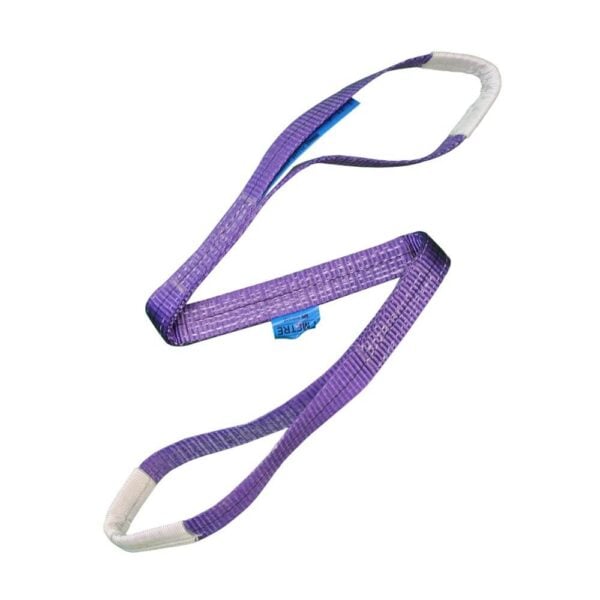 Plumalti1 Tonne Duplex Webbing SlingLength1m – 10mAvailable8 sizesDelivery2–3 daysfrom£3.54inc VAT£2.95ex VAT
-
 Plumalti5 Tonne Duplex Webbing SlingLength2m – 8mAvailable6 sizesDelivery2–3 daysfrom£16.63inc VAT£13.86ex VAT
-
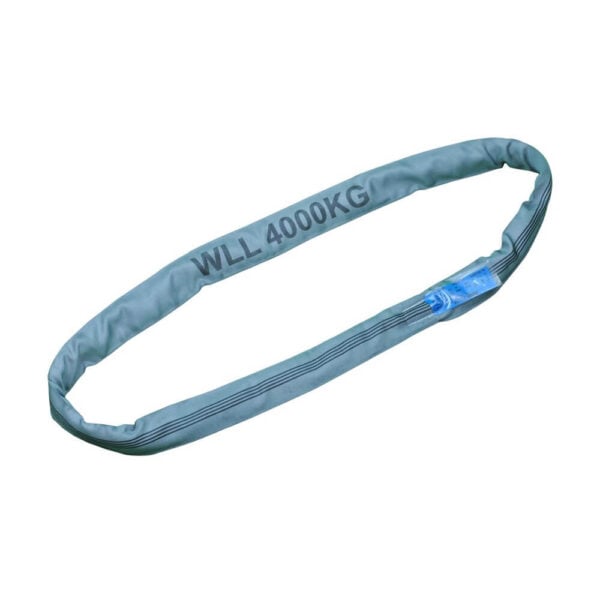 Plumalti4 Tonne Round SlingEwl1m – 6mAvailable8 sizesDelivery2–3 daysfrom£6.48inc VAT£5.40ex VAT
-
 Plumalti8 Tonne Round SlingEwl1m – 6mAvailable8 sizesDelivery2–3 daysfrom£12.01inc VAT£10.01ex VAT
-
 Plumalti10 Tonne Round SlingEwl1m – 6mAvailable8 sizesDelivery2–3 daysfrom£16.57inc VAT£13.81ex VAT
-
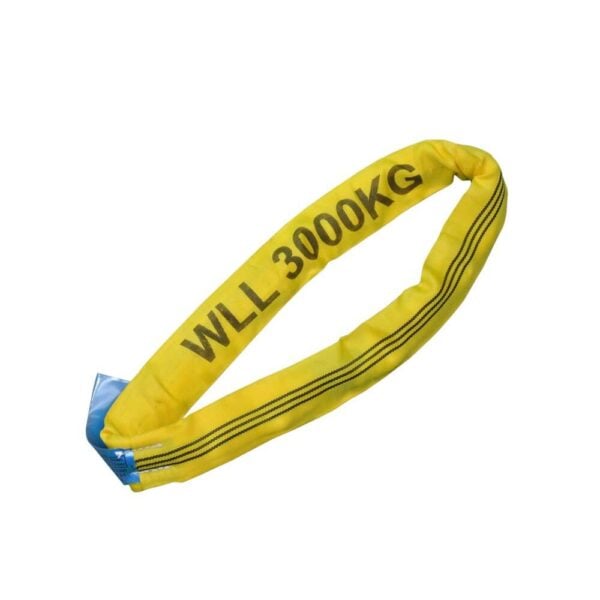 Plumalti3 Tonne Round SlingEwl0.5m – 6mAvailable9 sizesDelivery2–3 daysfrom£3.97inc VAT£3.31ex VAT
-
 Polyester Roundsling 8 TonneLength2m – 20mAvailable19 sizesDelivery1–3 daysfrom£12.46inc VAT£10.38ex VAT
-
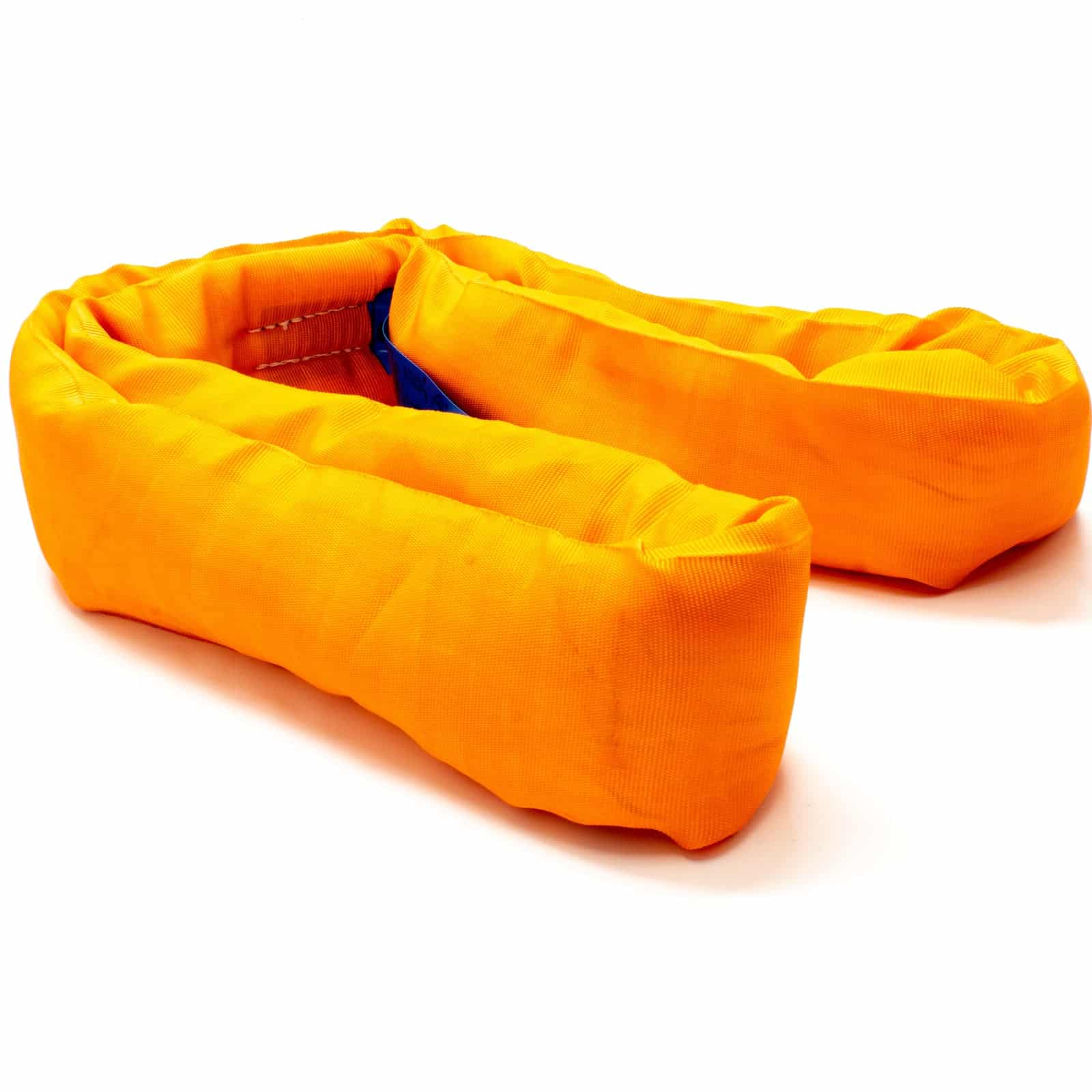 Polyester Roundsling 20 TonneLength3m – 20mAvailable18 sizesDelivery1–3 daysfrom£43.67inc VAT£36.39ex VAT
-
 Polyester Roundsling 10 TonneLength2m – 20mAvailable19 sizesDelivery1–3 daysfrom£14.17inc VAT£11.81ex VAT
-
 Plumalti2 Tonne Round SlingEwl1m – 6mAvailable8 sizesDelivery2–3 daysfrom£4.69inc VAT£3.91ex VAT
-
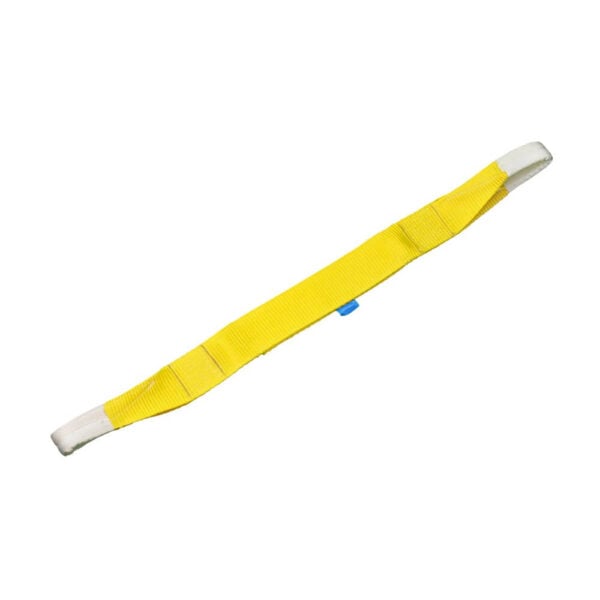 Plumalti3 Tonne Duplex Webbing SlingLength1m – 10mAvailable8 sizesDelivery2–3 daysfrom£6.91inc VAT£5.76ex VAT
-
 Plumalti10 Tonne Duplex Webbing SlingLength4m – 10mAvailable4 sizesDelivery2–3 daysfrom£65.88inc VAT£54.90ex VAT
-
 LiftKingLiftKing 3 Tonne Polyester Round Sling PRS3TSize3tAvailable11 sizesDelivery1–3 daysfrom£5.41inc VAT£4.51ex VAT
-
 Plumalti5 Tonne Round SlingEwl1m – 6mAvailable8 sizesDelivery2–3 daysfrom£7.88inc VAT£6.57ex VAT
-
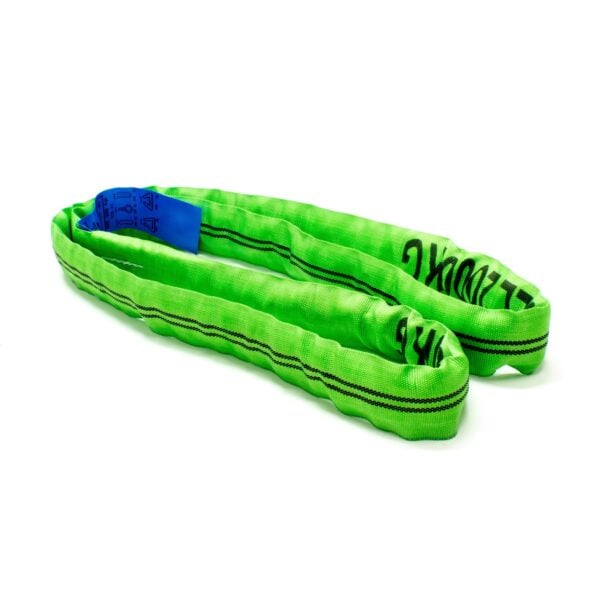 Polyester Roundsling 2 TonneLength1m – 20mAvailable28 sizesDelivery1–3 daysfrom£2.41inc VAT£2.01ex VAT
-
 LiftKingLiftKing 3 Tonne Duplex Webbing Sling DWS3TSize3tAvailable11 sizesDelivery1–3 daysfrom£7.67inc VAT£6.39ex VAT
-
 LiftKingLiftKing 4 Tonne Duplex Webbing Sling DWS4TSize4tAvailable9 sizesDelivery1–3 daysfrom£11.95inc VAT£9.96ex VAT
-
 CobraCobra Plus Grade 10 Webbing Joker Hook G100JHSize1T – 6TAvailable6 sizesDelivery1–3 daysfrom£10.52inc VAT£8.77ex VAT
-
 LiftKingLiftKing 12 Tonne 3 Ply Webbing Sling DWS12TSize6m – 12mAvailable4 sizesDelivery1–3 daysfrom£139.62inc VAT£116.35ex VAT
-
 LiftKingLiftKing 2 Tonne Duplex Webbing Sling DWS2TSize1m – 12mAvailable12 sizesDelivery1–3 daysfrom£6.70inc VAT£5.58ex VAT
-
 LiftKingLiftKing 8 Tonne Duplex Webbing Sling DWS8TSize8tAvailable9 sizesDelivery1–3 daysfrom£35.29inc VAT£29.41ex VAT
-
 Wolff OnsiteSingle Leg Chain SlingChain diameter10mm – 16mmAvailable5 sizesDelivery2–3 daysfrom£132.00inc VAT£110.00ex VAT
-
 Plumalti6 Tonne Duplex Webbing SlingLength4m – 10mAvailable3 sizesDelivery2–3 daysfrom£34.68inc VAT£28.90ex VAT
-
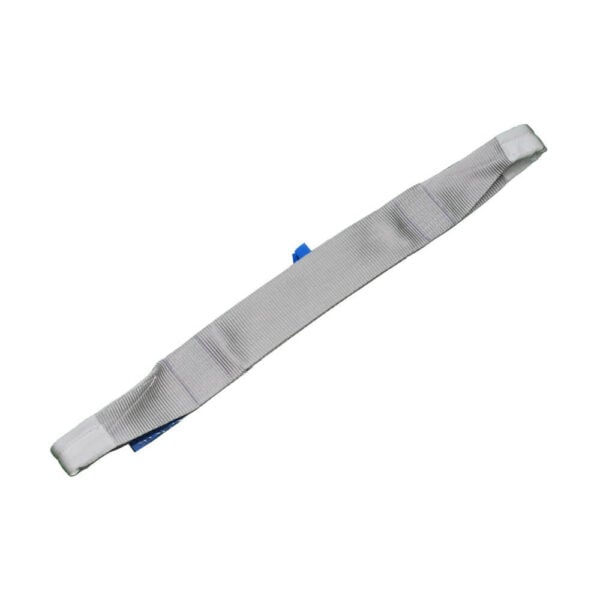 Plumalti4 Tonne Duplex Webbing SlingLength2m – 10mAvailable7 sizesDelivery2–3 daysfrom£12.77inc VAT£10.64ex VAT
-
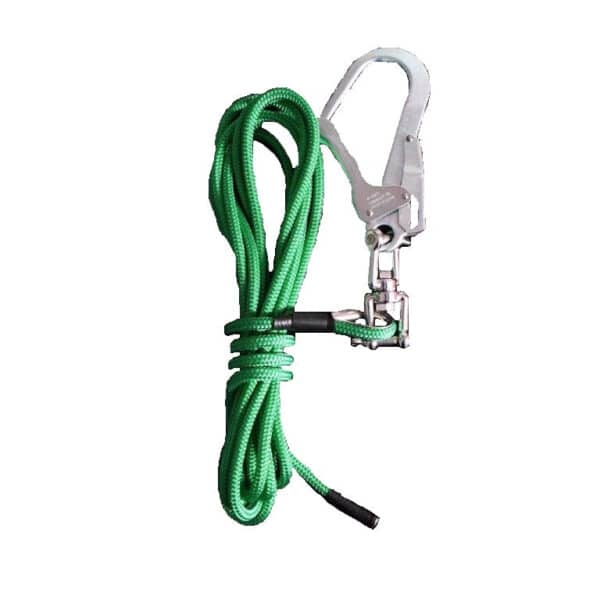 Tag Line c/w Jaw-Jaw Swivel & Scaffold HookLength4m – 30mAvailable9 sizesDelivery1–3 daysfrom£38.77inc VAT£32.31ex VAT
-
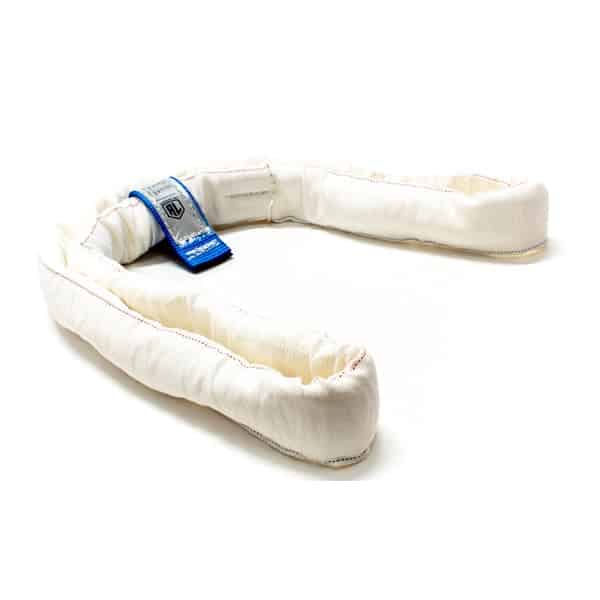 Armour LiftArmour Lift HMPE High Performance Roundsling 20 TonneLength1m – 20mAvailable20 sizesDelivery1–3 daysfrom£53.20inc VAT£44.33ex VAT
-
Armour LiftArmour Lift HMPE High Performance Roundsling 15 TonneLength1m – 20mAvailable20 sizesDelivery1–3 daysfrom£51.60inc VAT£43.00ex VAT
-
Armour LiftArmour Lift HMPE High Performance Roundsling 10 TonneLength1m – 20mAvailable20 sizesDelivery1–3 daysfrom£35.70inc VAT£29.75ex VAT
-
Armour LiftArmour Lift HMPE High Performance Roundsling 8 TonneLength1m – 20mAvailable20 sizesDelivery1–3 daysfrom£28.54inc VAT£23.78ex VAT
-
Armour LiftArmour Lift HMPE High Performance Roundsling 5 TonneLength1m – 20mAvailable20 sizesDelivery1–3 daysfrom£15.00inc VAT£12.50ex VAT
-
Armour LiftArmour Lift HMPE High Performance Roundsling 3 TonneLength1m – 20mAvailable20 sizesDelivery1–3 daysfrom£11.50inc VAT£9.58ex VAT
-
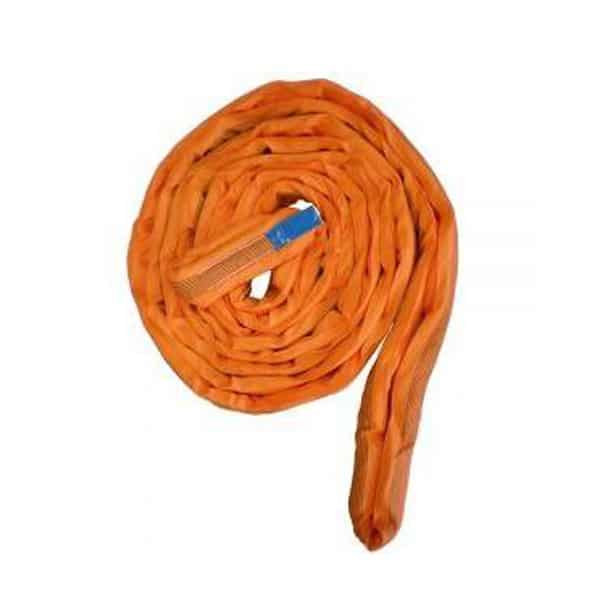 Polyester Towing Roundsling with Wear SleeveWorking load .3t – 10tAvailable32 sizesDelivery1–3 daysfrom£10.13inc VAT£8.44ex VAT
-
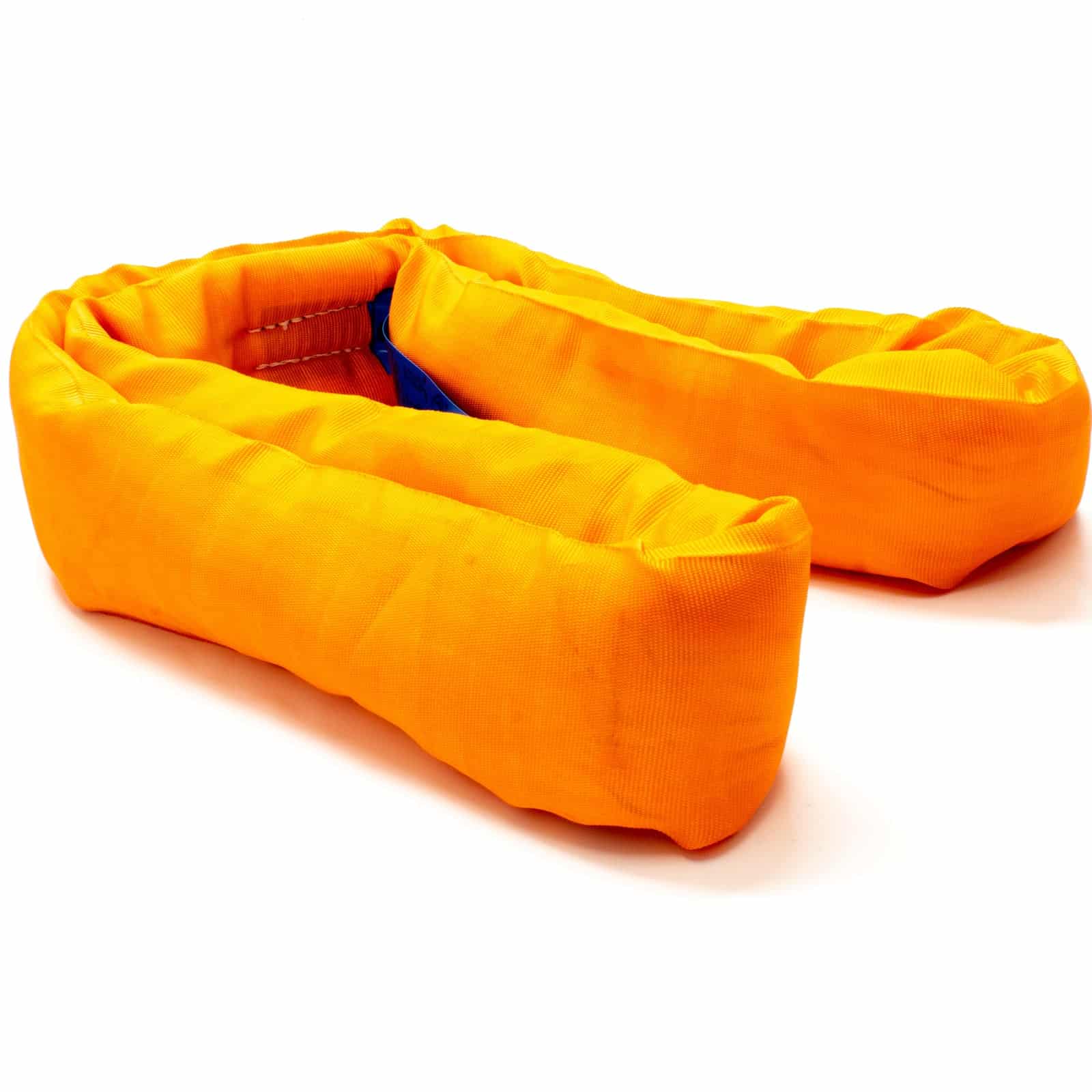 Polyester Roundsling 40 TonneLength3m – 20mAvailable18 sizesDelivery1–3 daysfrom£82.66inc VAT£68.88ex VAT
-
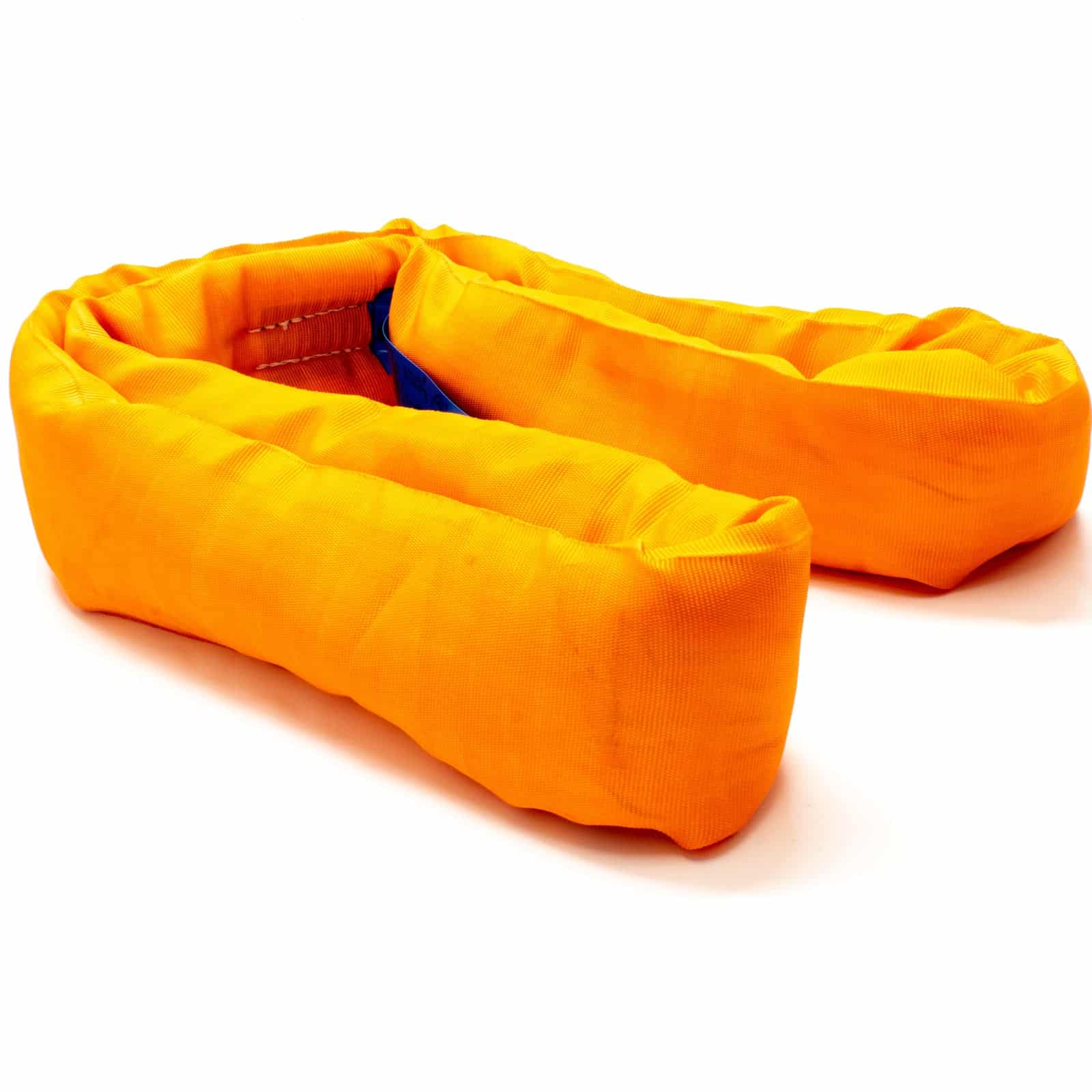 Polyester Roundsling 30 TonneLength3m – 20mAvailable18 sizesDelivery1–3 daysfrom£63.82inc VAT£53.18ex VAT
-
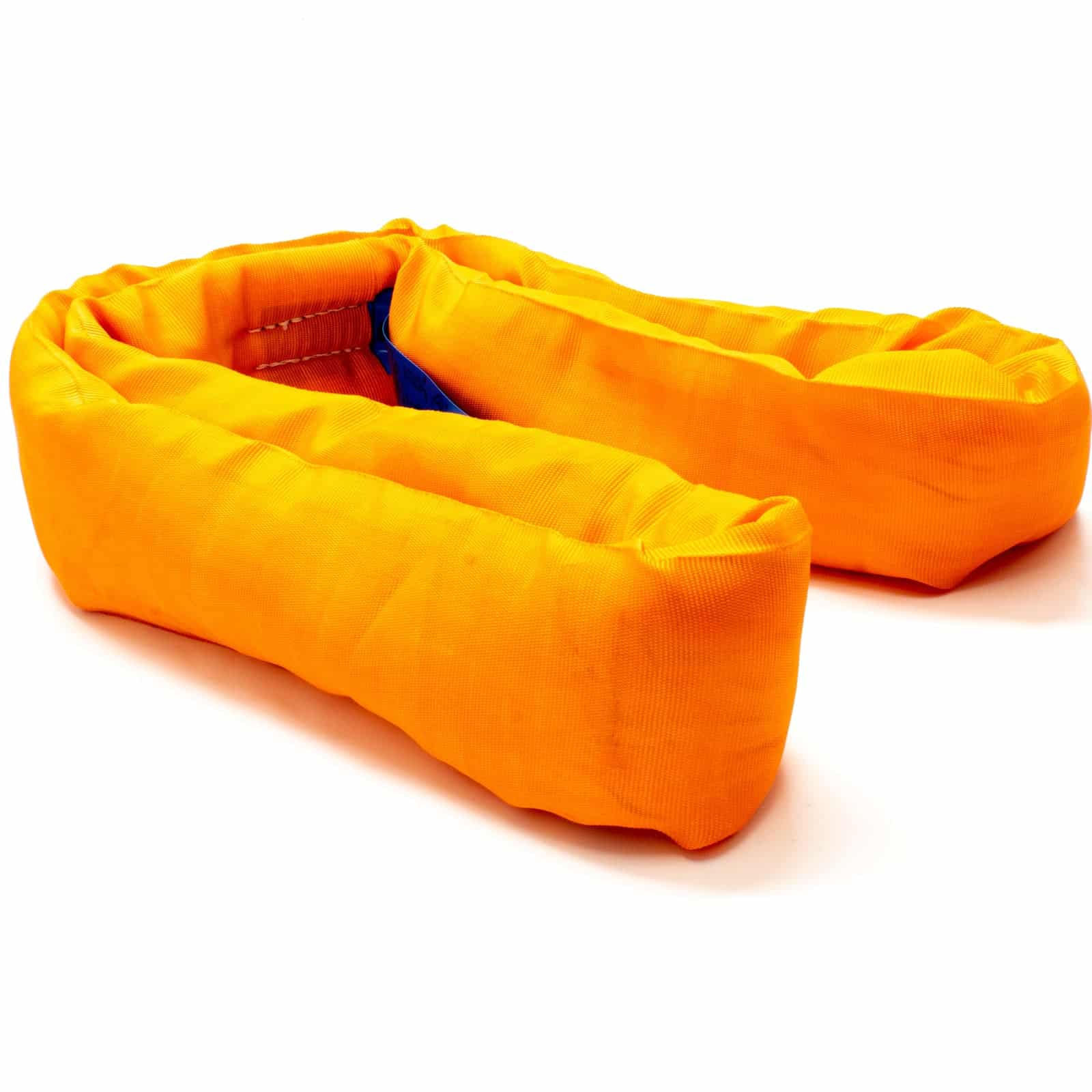 Polyester Roundsling 25 TonneLength3m – 20mAvailable18 sizesDelivery1–3 daysfrom£63.65inc VAT£53.04ex VAT
-
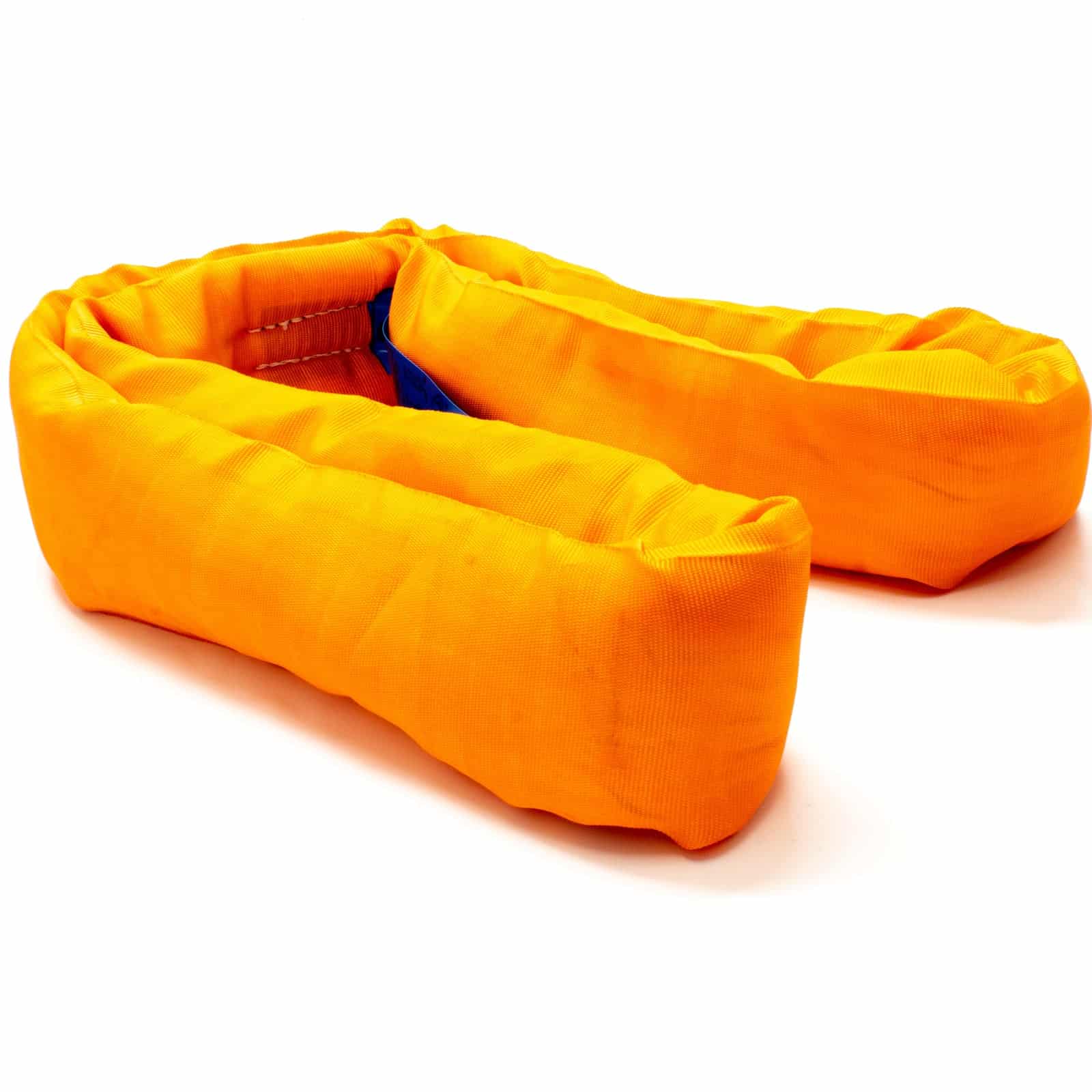 Polyester Roundsling 15 TonneLength3m – 20mAvailable18 sizesDelivery1–3 daysfrom£34.25inc VAT£28.54ex VAT
-
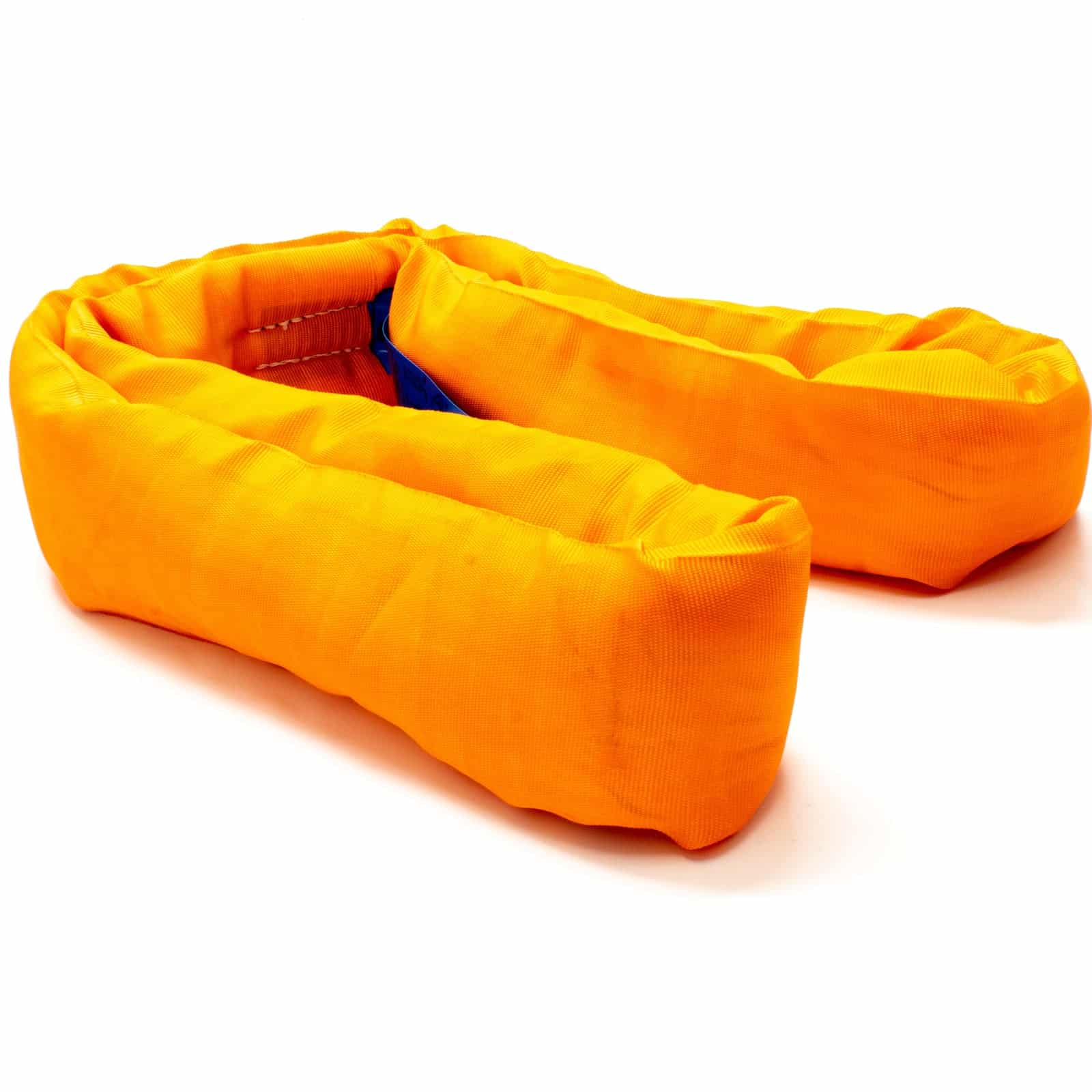 Polyester Roundsling 12 TonneLength2m – 20mAvailable19 sizesDelivery1–3 daysfrom£18.61inc VAT£15.51ex VAT
-
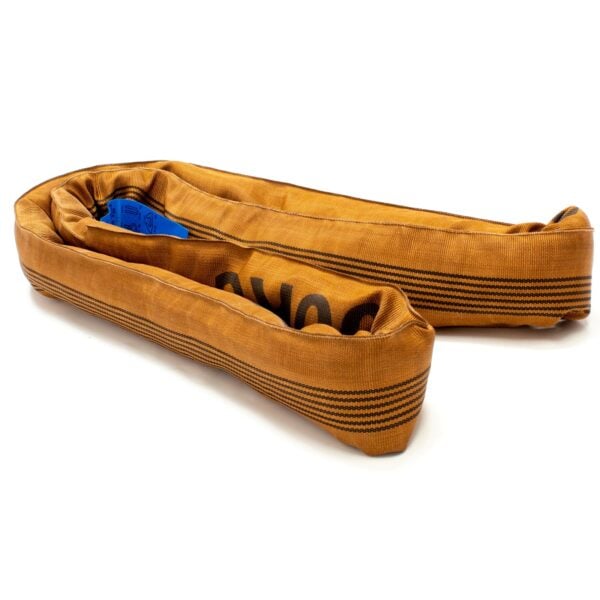 Polyester Roundsling 6 TonneLength2m – 20mAvailable19 sizesDelivery1–3 daysfrom£9.61inc VAT£8.01ex VAT
-
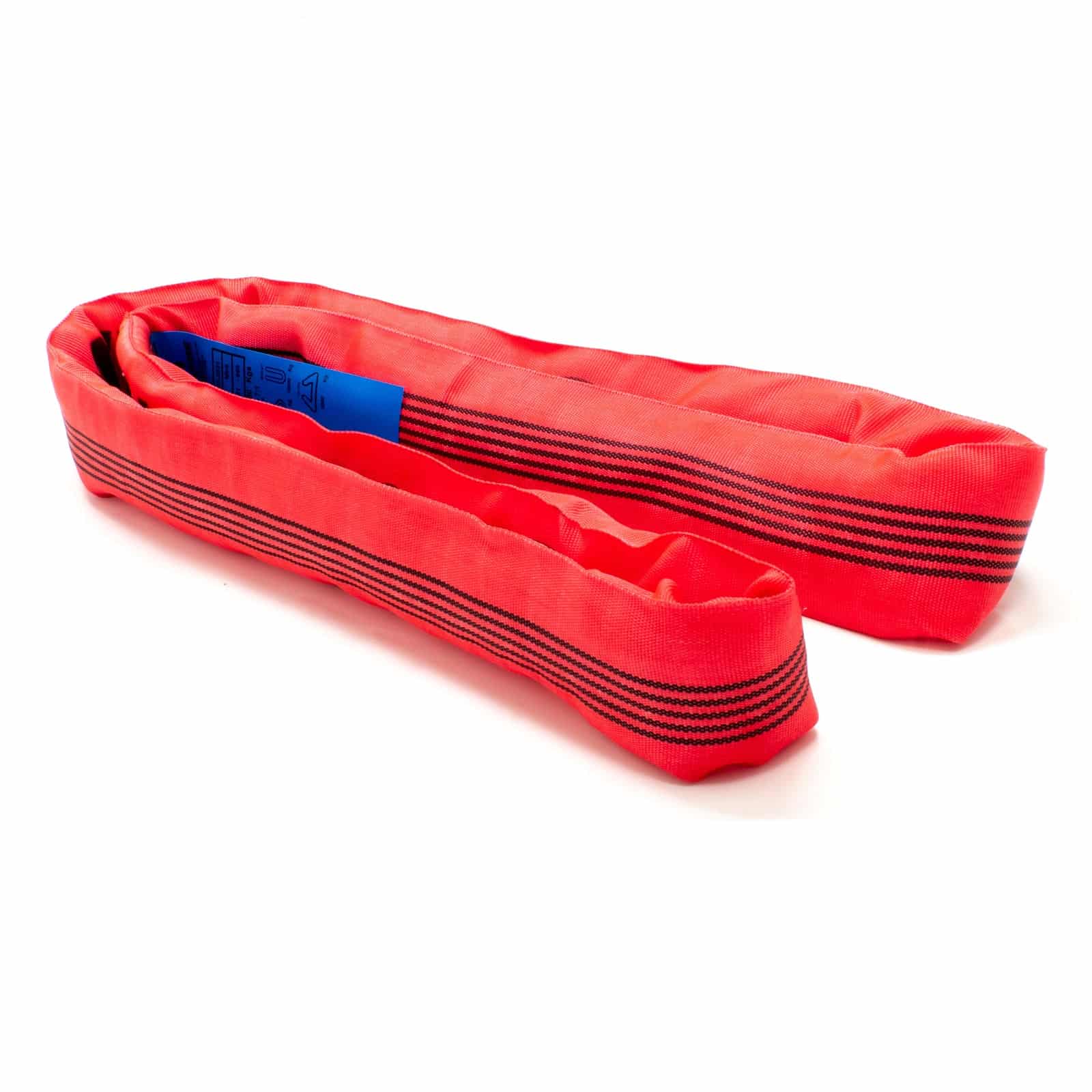 Polyester Roundsling 5 TonneLength1m – 20mAvailable28 sizesDelivery1–3 daysfrom£5.39inc VAT£4.49ex VAT
-
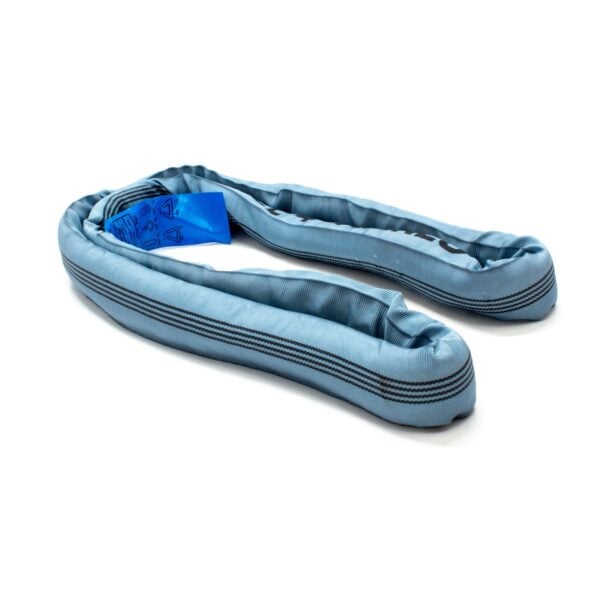 Polyester Roundsling 4 TonneLength1m – 20mAvailable28 sizesDelivery1–3 daysfrom£4.37inc VAT£3.64ex VAT
-
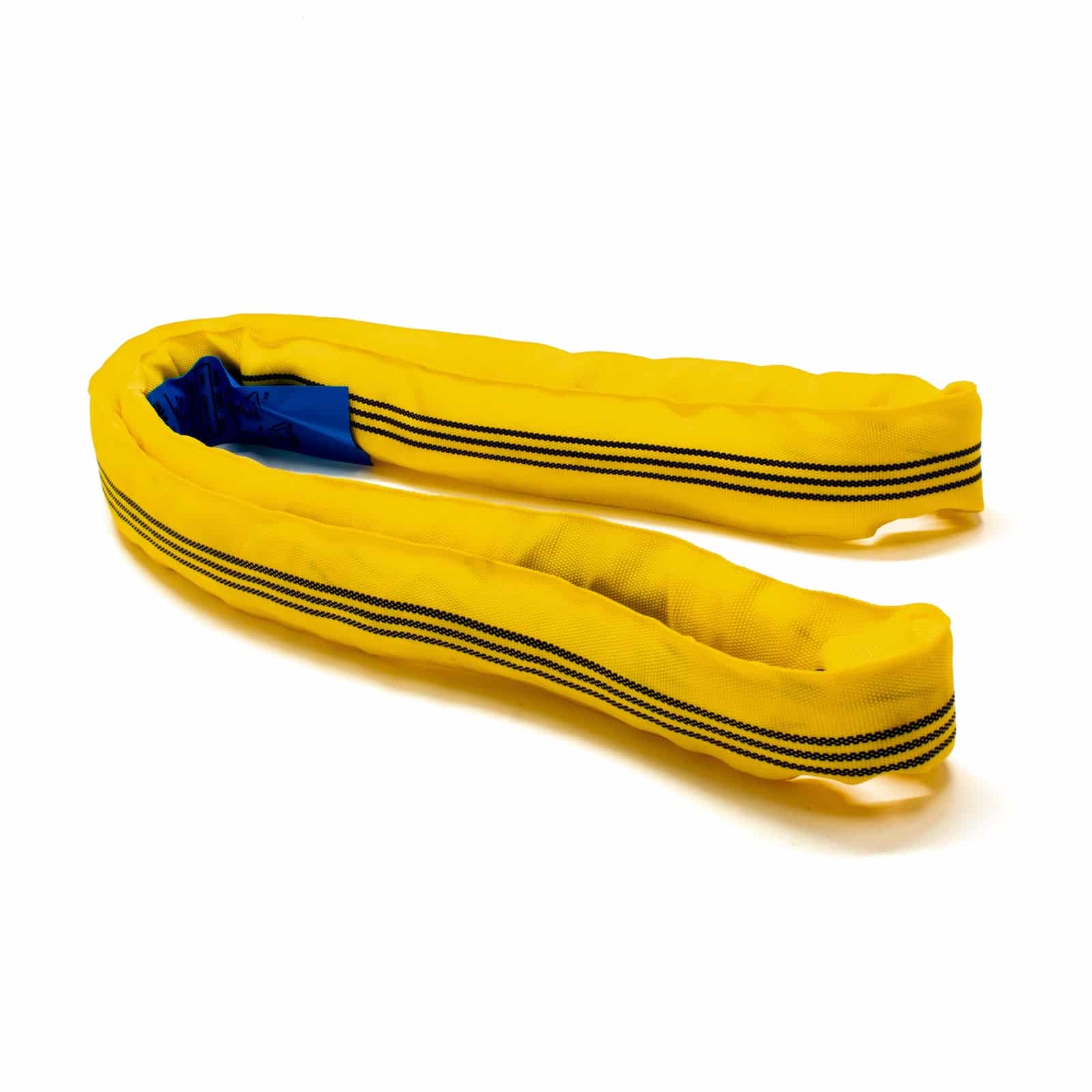 Polyester Roundsling 3 TonneLength1m – 20mAvailable28 sizesDelivery1–3 daysfrom£3.28inc VAT£2.73ex VAT
-
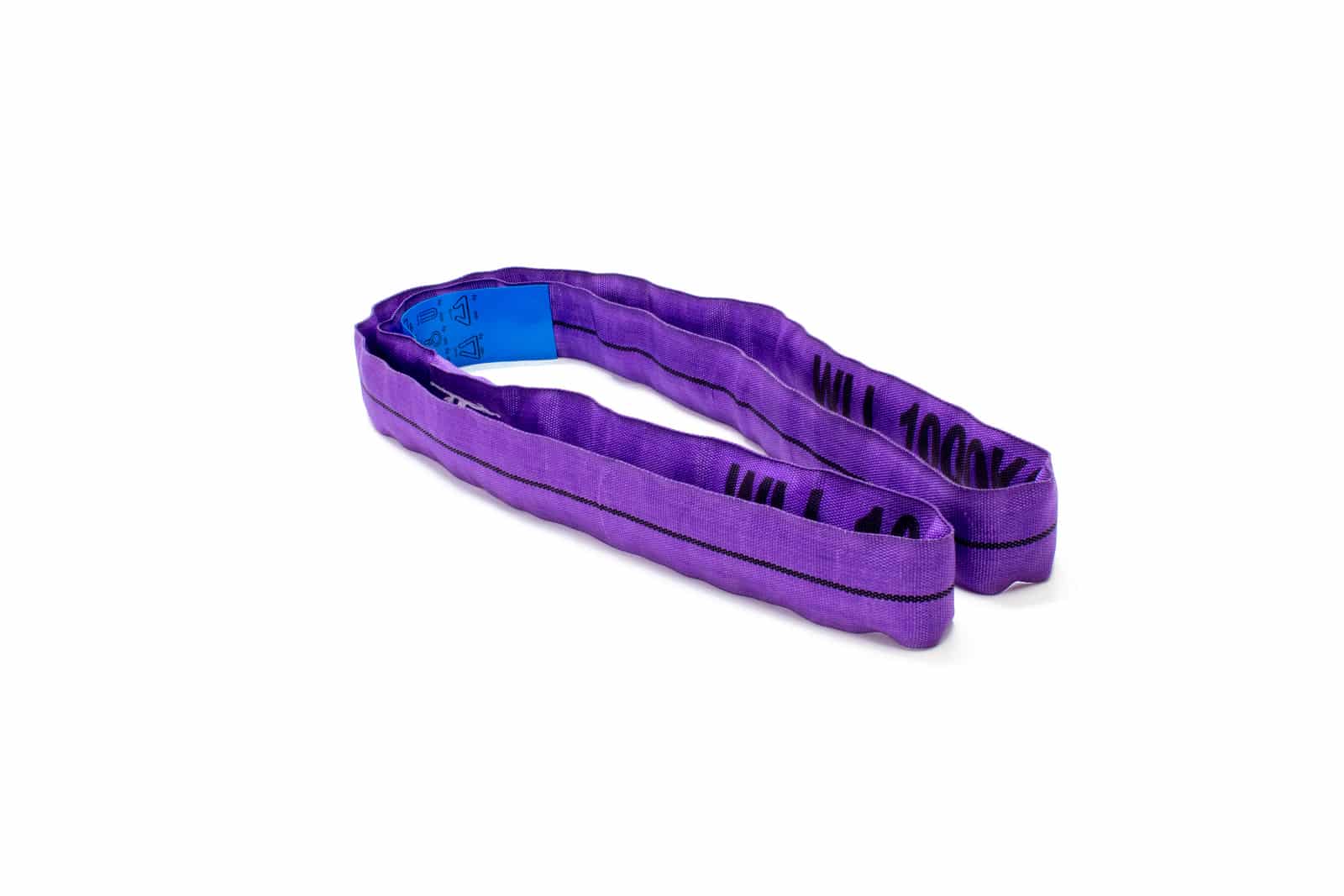 Polyester Roundsling 1 TonneLength1m – 20mAvailable28 sizesDelivery1–3 daysfrom£1.69inc VAT£1.41ex VAT
-
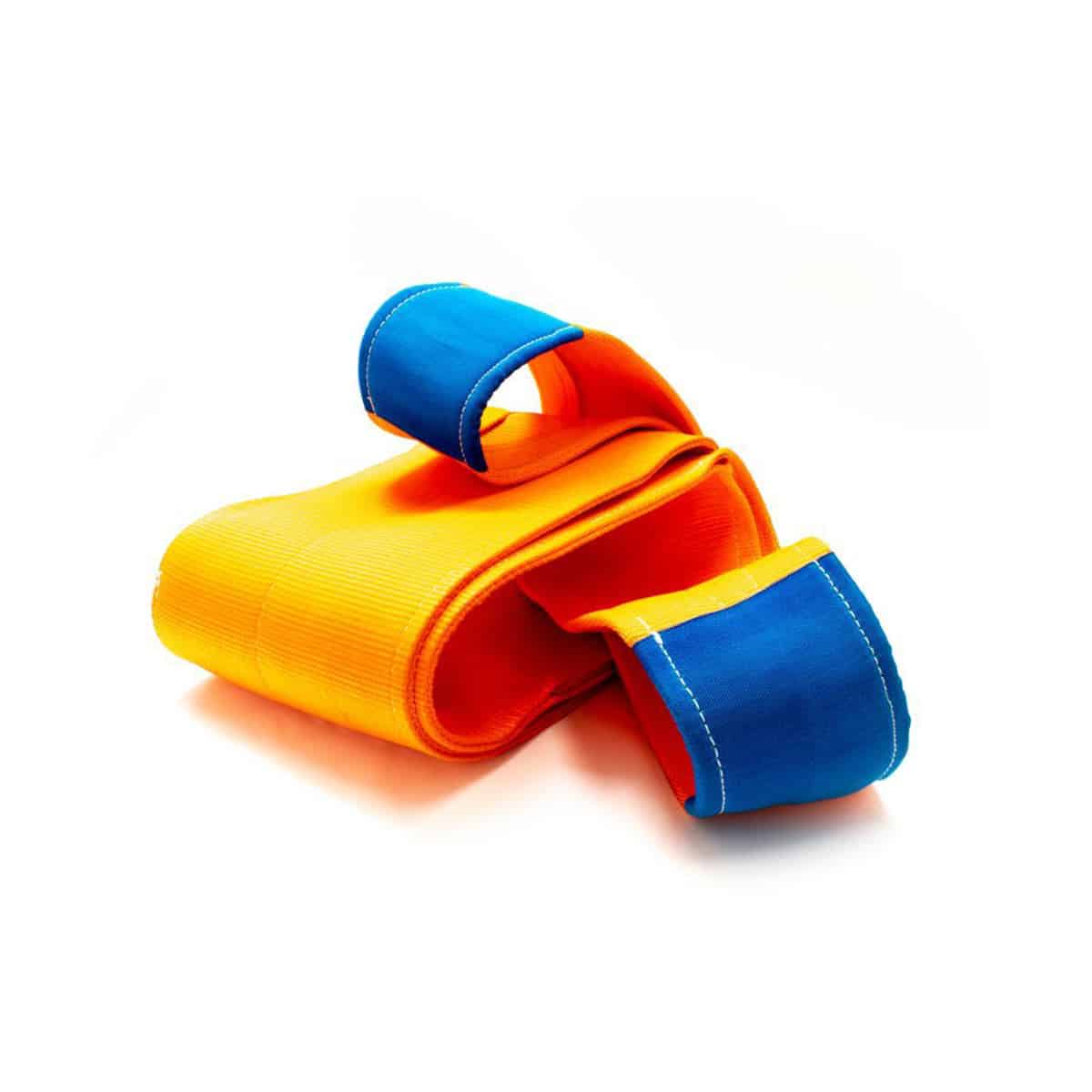 Duplex Polyester Webbing Sling 12 TonneEwl3m – 20mAvailable18 sizesDelivery1–3 daysfrom£90.31inc VAT£75.26ex VAT
-
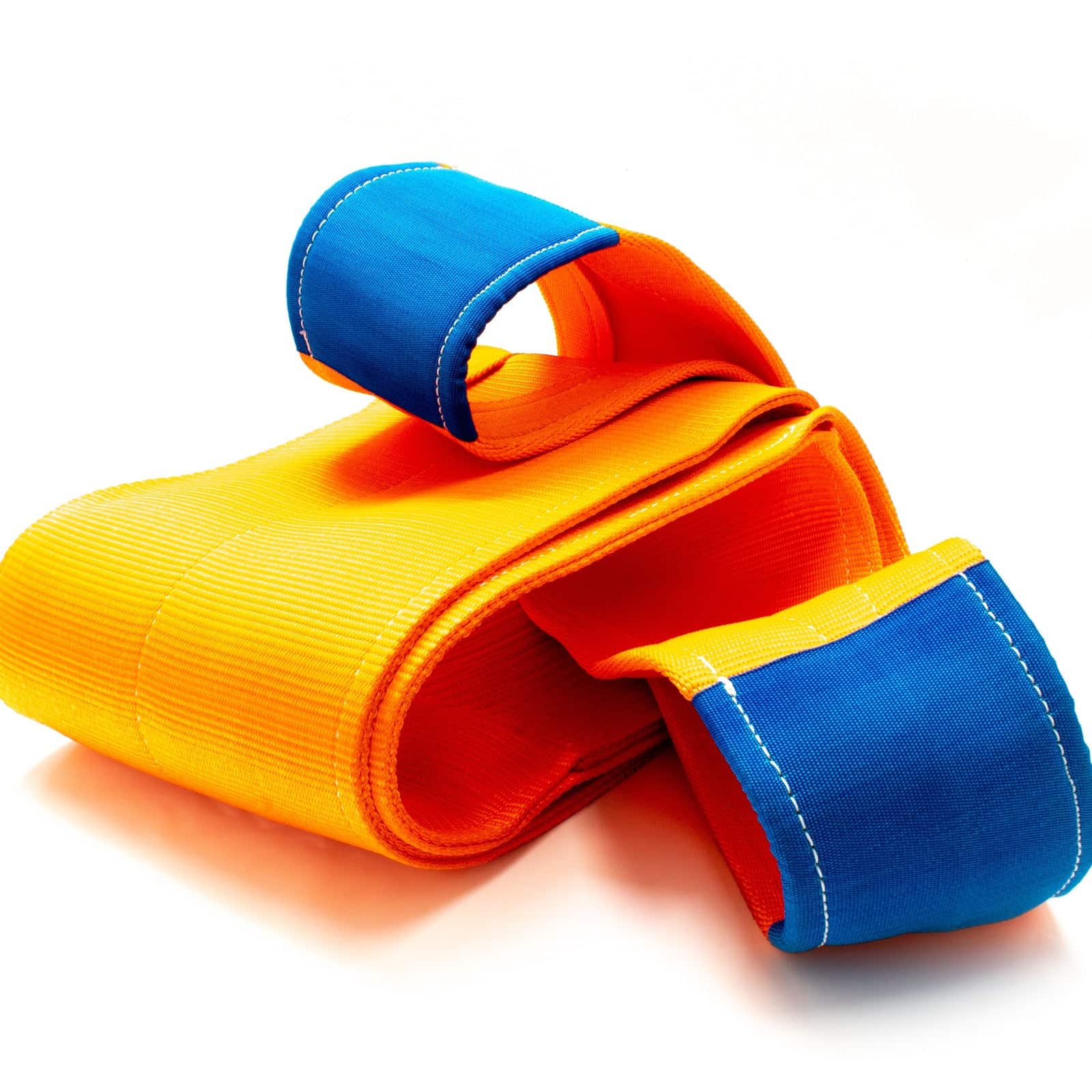 Duplex Polyester Webbing Sling 10 TonneEwl2m – 20mAvailable23 sizesDelivery1–3 daysfrom£42.73inc VAT£35.61ex VAT
-
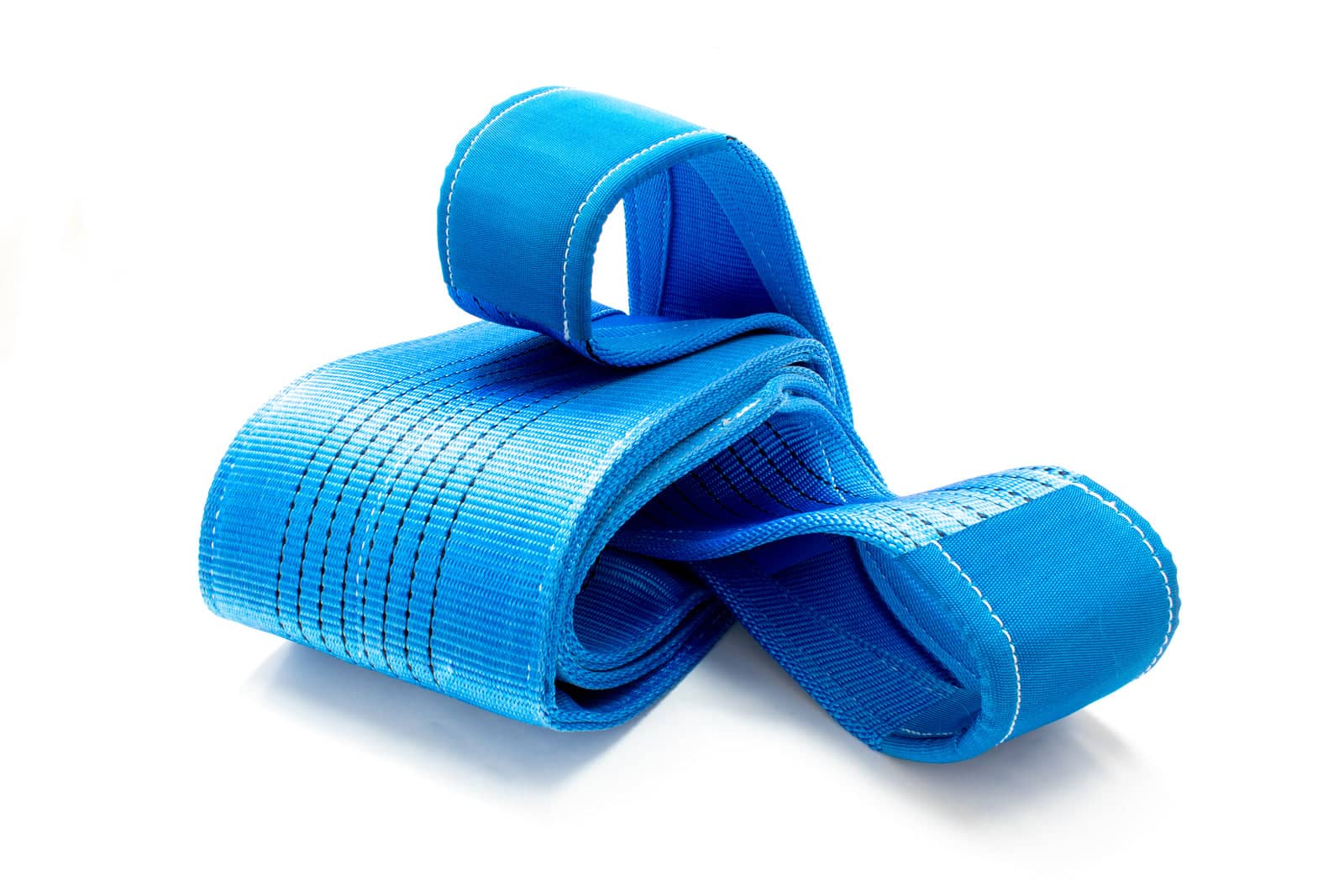 Duplex Polyester Webbing Sling 8 TonneEwl2m – 20mAvailable24 sizesDelivery1–3 daysfrom£32.88inc VAT£27.40ex VAT
-
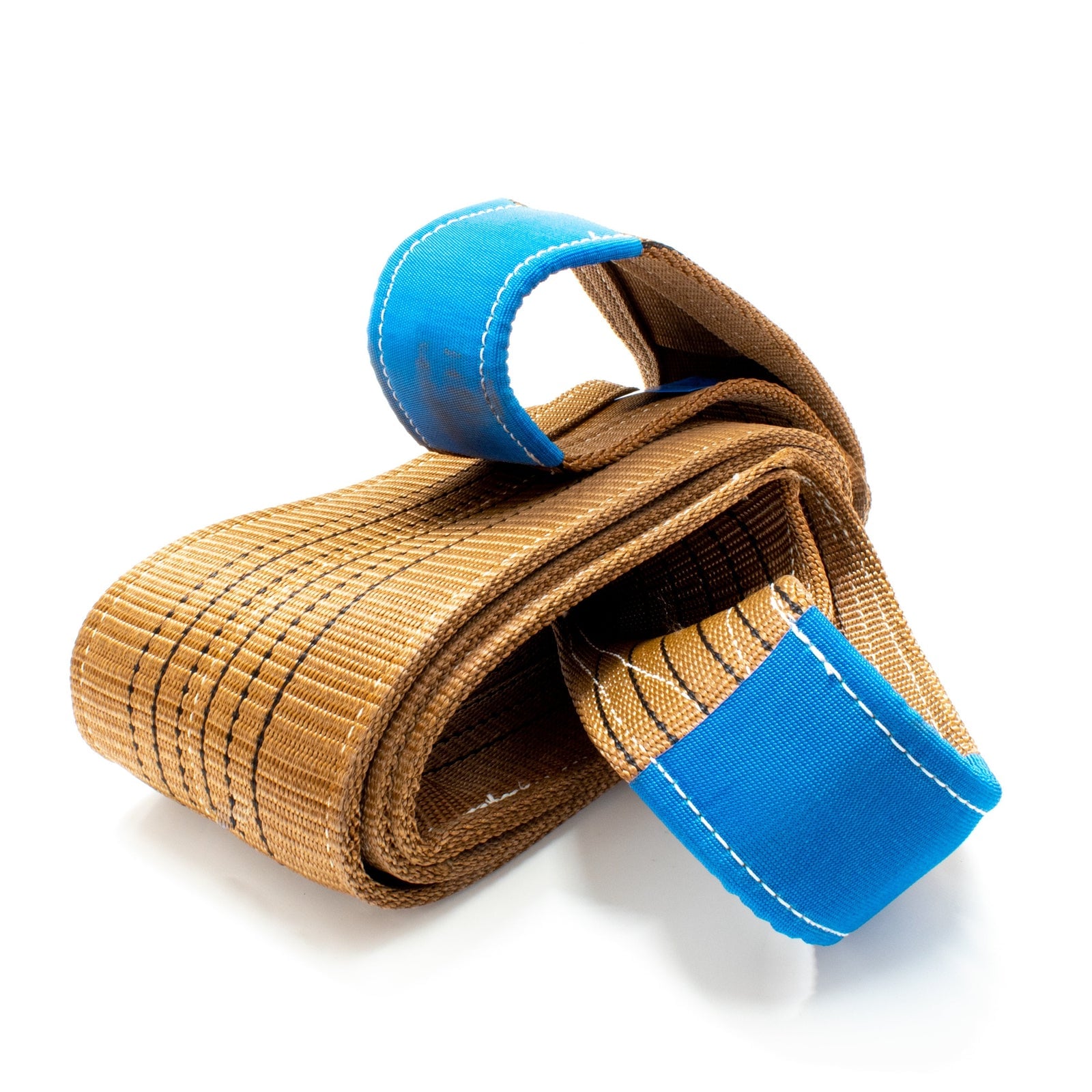 Duplex Polyester Webbing Sling 6 TonneEwl2m – 20mAvailable24 sizesDelivery1–3 daysfrom£23.62inc VAT£19.68ex VAT
-
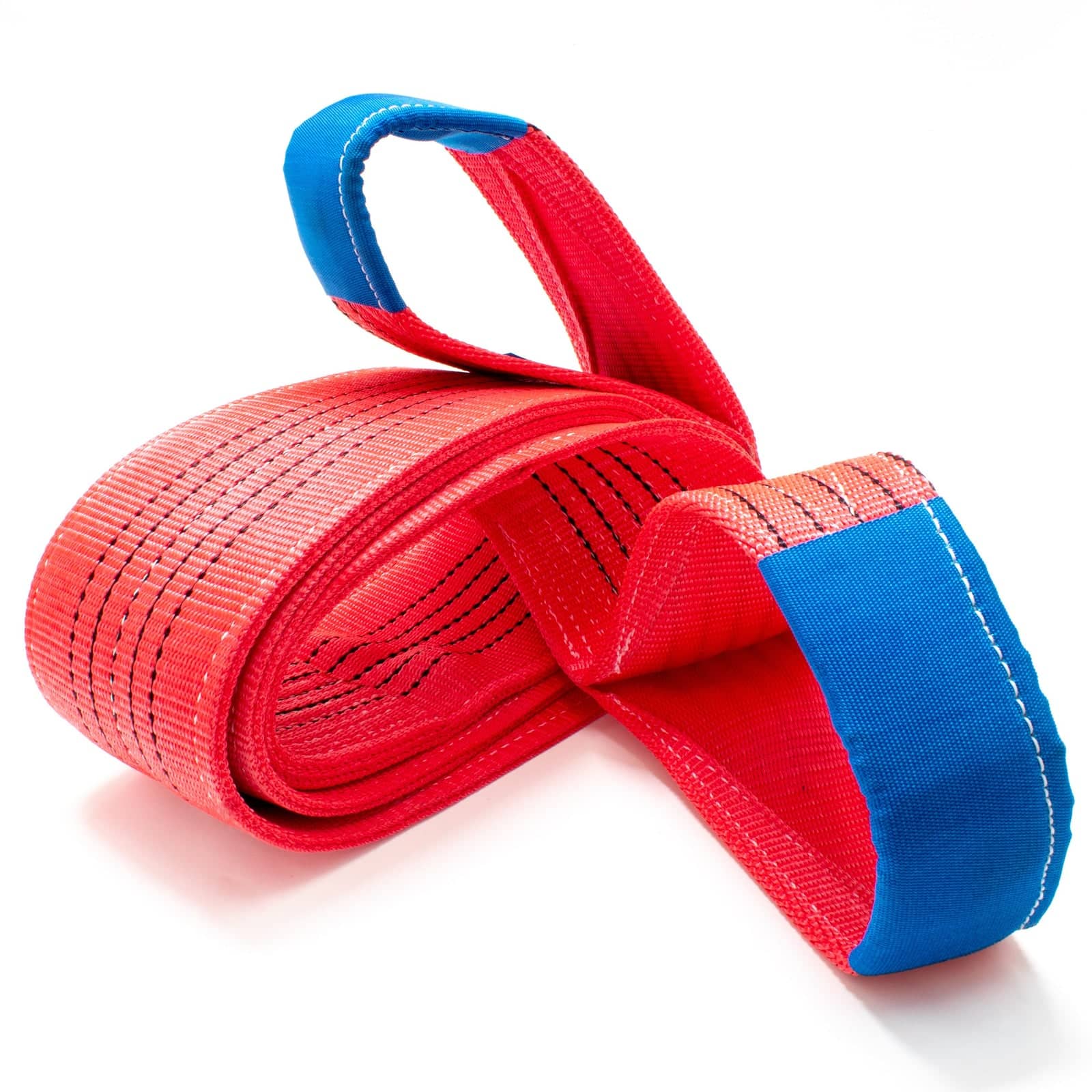 Duplex Polyester Webbing Sling 5 TonneEwl1m – 20mAvailable28 sizesDelivery1–3 daysfrom£13.93inc VAT£11.61ex VAT


Slings
Webbing sling or round sling
This page carries flat duplex webbing slings and polyester round slings from LiftKing and other makers, plus chain slings for heavier and hotter work. Flat webbing slings are made to EN 1492-1 and round slings to EN 1492-2.
A duplex webbing sling has two plies and a flat, wide bearing face with an eye at each end. It spreads the load and chokes neatly around bundles. Pick webbing for finished steel, cladding panels, pipes and anything that marks easily.
A round sling is an endless loop of polyester load yarn inside a protective sleeve. It moulds to awkward shapes, can be rotated so the wear point moves, and stays supple in use. The LiftKing range runs from 1 tonne to 30 tonne.
Choose chain when the load is hot, abrasive or has rough edges. The chain slings category covers grades 8, 10 and 12 in one to four legs.
Colour code and how the hitch changes capacity
Polyester slings to EN 1492 are colour coded by straight-pull working load limit (WLL). The hitch you use then multiplies that figure. Manufacturer mode factors are 1 for a straight pull, 0.8 for a choke hitch and 2 for a vertical basket. In a basket with the legs at 0 to 45 degrees the factor drops to 1.4, and at 45 to 60 degrees it drops to 1.
| Colour | Straight pull | Choke hitch (x0.8) | Vertical basket (x2) |
|---|---|---|---|
| Violet | 1 t | 0.8 t | 2 t |
| Green | 2 t | 1.6 t | 4 t |
| Yellow | 3 t | 2.4 t | 6 t |
| Grey | 4 t | 3.2 t | 8 t |
| Red | 5 t | 4 t | 10 t |
| Brown | 6 t | 4.8 t | 12 t |
| Blue | 8 t | 6.4 t | 16 t |
| Orange | 10 t and above | Read the label | Read the label |
Every sling above 10 tonne is orange, so the label is the only way to tell a 12 tonne sling from a 30 tonne one. The LiftKing black round sling does not follow the colour code at all. Always buy on the WLL printed on the label and size for the hitch you will actually use.
Choosing length and capacity
- Capacity: start with the load weight, divide by the mode factor for your hitch, then round up to the next sling size.
- Length: allow enough length to keep basket and two-sling lifts inside 60 degrees from vertical.
- Pairs: for a two-point lift buy two identical slings so both legs share the load evenly.
- Connecting hardware: a joker hook, such as the Cobra Plus grade 10 webbing joker hook on this page, is made for textile slings. Use it to join slings or turn a round sling into a multi-leg arrangement. For bow and D shackles, see that category.
Heat, chemicals and sharp edges
Polyester round slings are rated for use from minus 40 to plus 100 degrees Celsius. Below freezing, keep them dry, because ice in the fibres reduces flexibility. Polyester resists most acids but is damaged by strong alkalis, so rinse a contaminated sling in cold water, let it dry naturally and have it checked before reuse.
An edge counts as sharp when its radius is smaller than the thickness of the sling under load. Put sleeves or corner protectors between the sling and any such edge. If you cannot protect the edge, use chain.
Inspection and replacement
Under LOLER, lifting accessories need a thorough examination at least every six months unless an examination scheme sets a different interval. Textile slings cannot be repaired. Take a sling out of service if the sleeve is cut or worn through, the load yarns show, a seam is damaged, it has been overloaded or exposed to heat or chemicals, or the label is missing or unreadable.
What colour is a 1 tonne lifting sling?
Violet. The EN 1492 colour code runs violet 1 t, green 2 t, yellow 3 t, grey 4 t, red 5 t, brown 6 t and blue 8 t, with orange used for 10 t and above. Always confirm the WLL on the label.
Should I buy a webbing sling or a round sling?
Choose a flat webbing sling when you want a wide, flat bearing face on finished or easily marked surfaces. Choose a round sling when the load is an awkward shape, as it moulds around the load and can be rotated to spread wear.
How much does a choke hitch reduce sling capacity?
A choke hitch reduces a polyester sling to 0.8 of its straight-pull WLL, so a 5 tonne sling lifts 4 tonne in choke. A vertical basket doubles the WLL, falling to 1.4 times at 0 to 45 degrees and 1 times at 45 to 60 degrees.
How often do lifting slings need inspecting?
Under LOLER, lifting accessories such as slings need a thorough examination by a competent person at least every six months, unless an examination scheme sets a different interval. Check them visually before every use as well.
When should a webbing or round sling be thrown away?
Withdraw it if the sleeve or webbing is cut or worn through, the load yarns show, stitching or seams are damaged, it has been overloaded or exposed to heat or chemicals, or the label is missing or unreadable. Textile slings cannot be repaired.
What temperature can polyester lifting slings be used at?
Polyester round slings are rated from minus 40 to plus 100 degrees Celsius. Use chain slings for hotter loads.
Which brands do you stock for Slings?
We supply LiftKing, Cobra, Checkmate, Armour Lift, Plumalti, Conquip and Wolff Onsite. Ranges vary, so check the brand page for the full listing.
What else is in Lifting Equipment?
Related ranges include Pulley Blocks, Stainless Steel, Cable Grips, Weld-On Hooks, Swivels, Test Weights, Weighing Equipment and Spreader Beams.