WolffKran Group · Est. 1854Fast UK delivery & export optionsUKCA & CE certified equipmentCredit accounts for business01709 437141
Equipment for moving, lifting and positioning materials: pallet trucks, stackers, skates, clamps and forklift attachments. The range also covers lift tables, site trolleys and workshop cranes, from makers including Warrior, Steerman and Camlok.


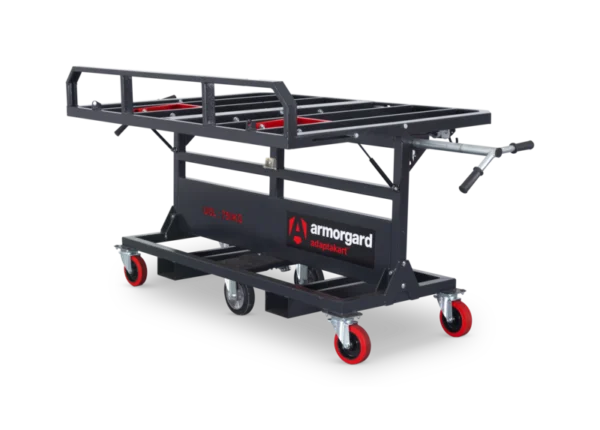
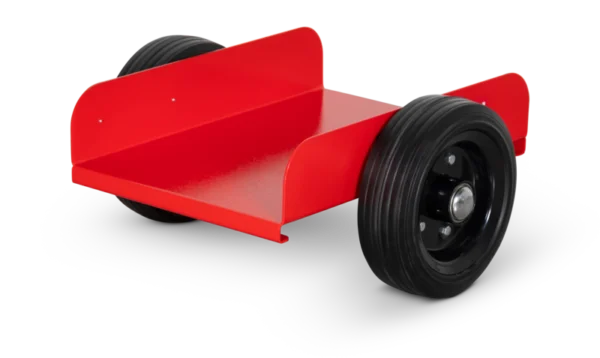
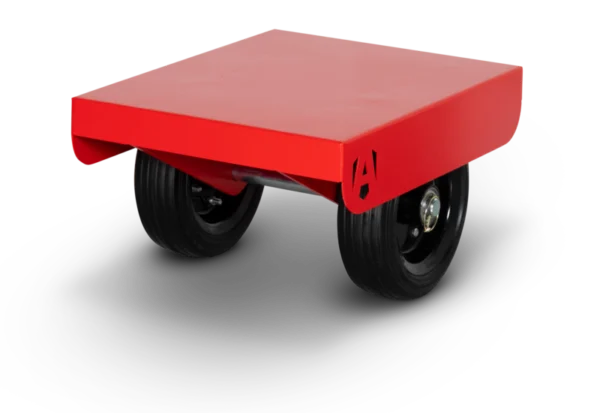
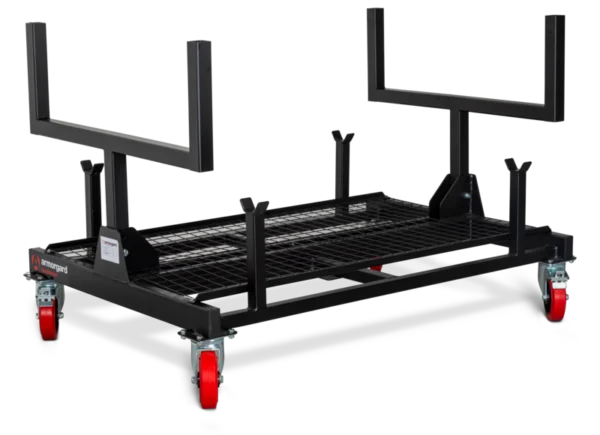

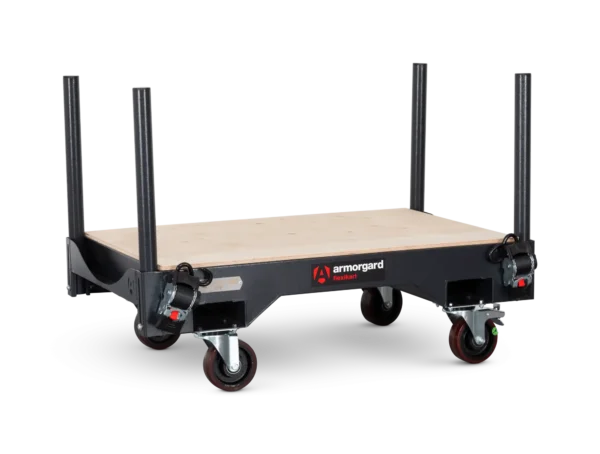
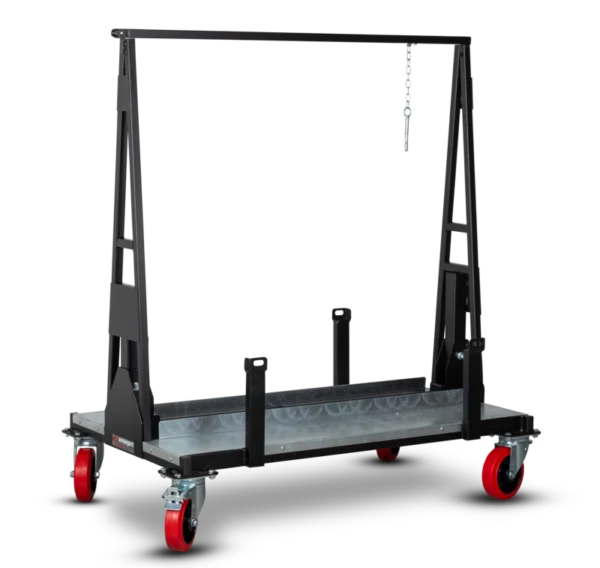
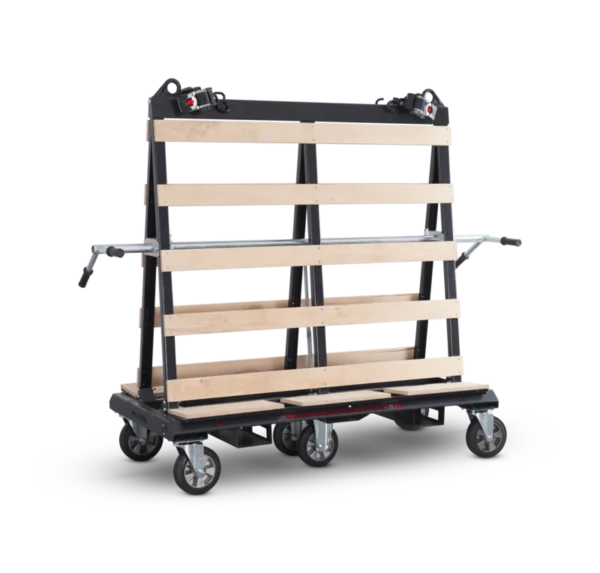
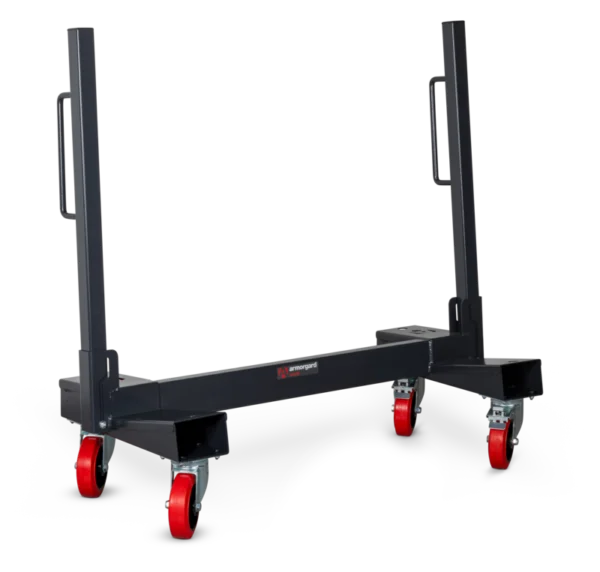
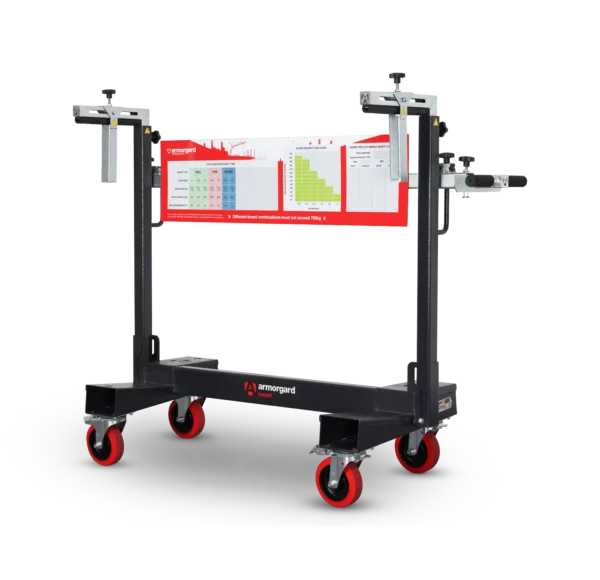
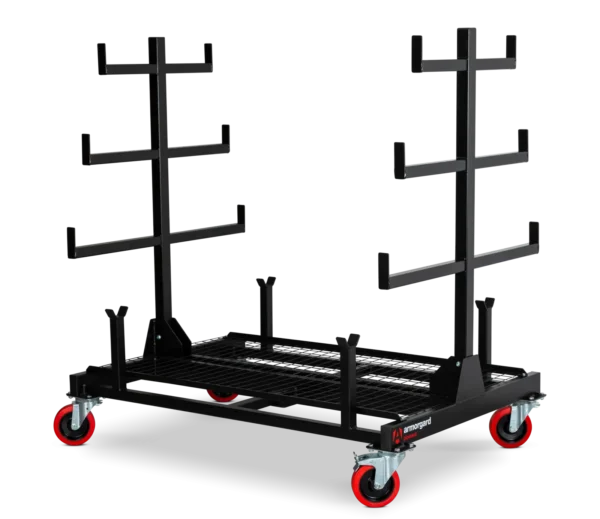
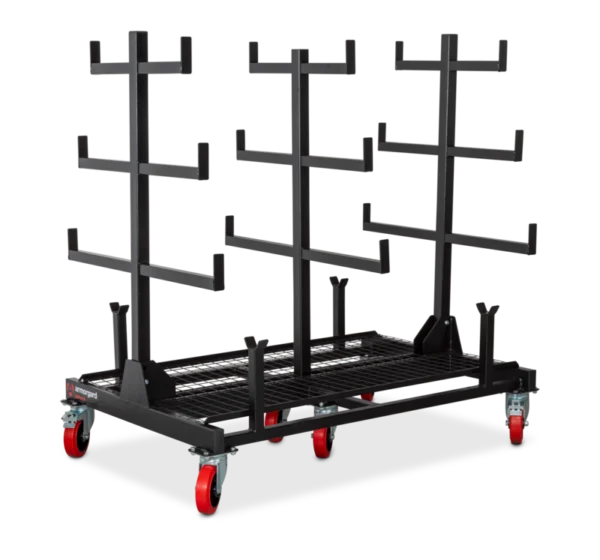
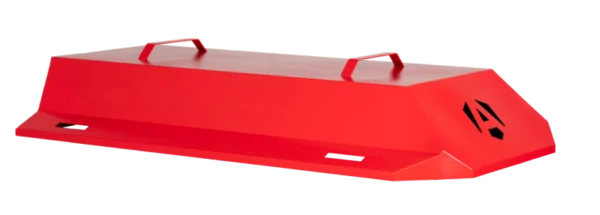

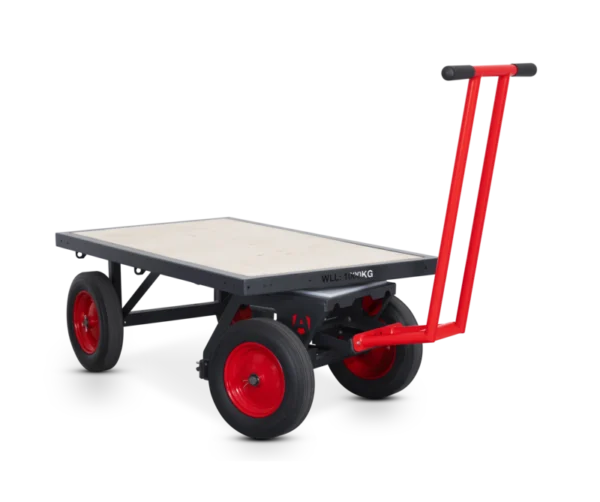
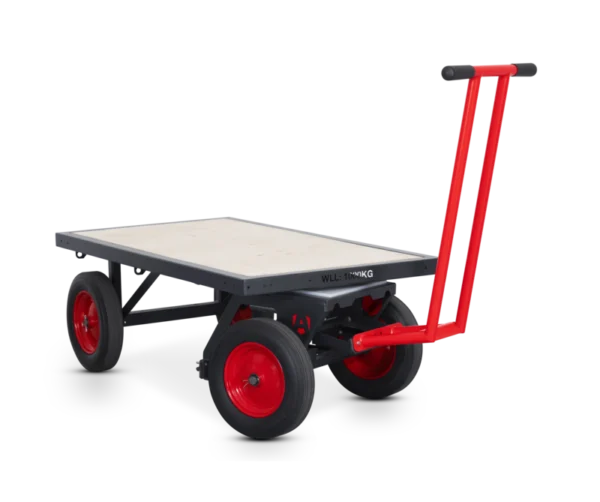
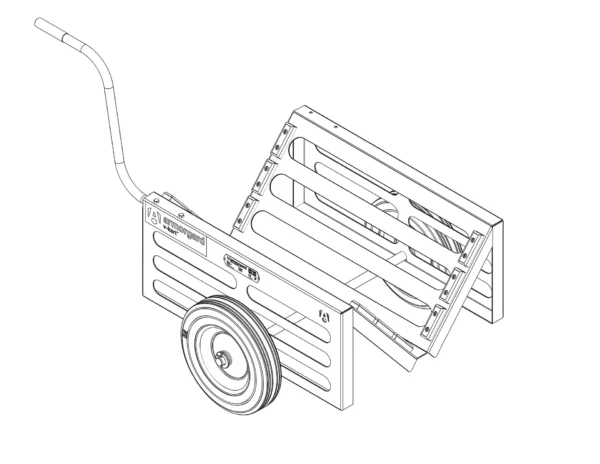


These are three different problems. Moving a load across a floor needs wheels and a low rolling resistance. Lifting it to height needs a mast or a scissor mechanism. Holding it at a working height while people work on it needs a table or positioner. Equipment built for one rarely does the others well, and buying a compromise usually means buying twice.
Door widths, aisle turns, thresholds, floor condition and any change of level decide as much as capacity does. A machine that cannot turn in the space or pass through the door is no use however well it lifts.
Frequency decides this more than weight. An occasional lift is fine manually. The same lift repeated through a shift becomes an operator fatigue and injury question, and that is usually where powered equipment pays for itself.
By how often the task is repeated rather than how heavy it is. Occasional lifts suit manual equipment; repeated cycles through a shift favour powered.
The narrowest door and aisle on the route, any thresholds or level changes, and the floor condition. Those rule out more machines than capacity does.
Powered lifting equipment requires trained and authorised operators. Manual equipment still needs instruction in safe use.
The range covers Load Moving Systems, Workshop Cranes, Hand Pallet Trucks, Pallet Levellers, Electric Pallet Trucks, Order Pickers, Hand Stackers and Pallet Turntables.


