
Lifting Equipment
Lifting equipment and lifting gear for construction sites and workshops, to buy or hire. The range runs from hoists and trolleys, lifting slings and shackles to spreader beams, crane skips, man baskets and forklift attachments, with height safety equipment for anyone working at height.
- Products
- 2,065
- Brands
- Wolff Onsite, Kratos +41
- Price from
- £0.07
- Certification
- ✓ UKCA & CE
Slings and rigging
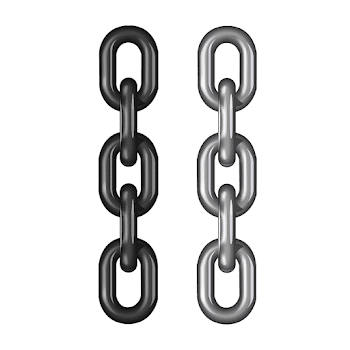
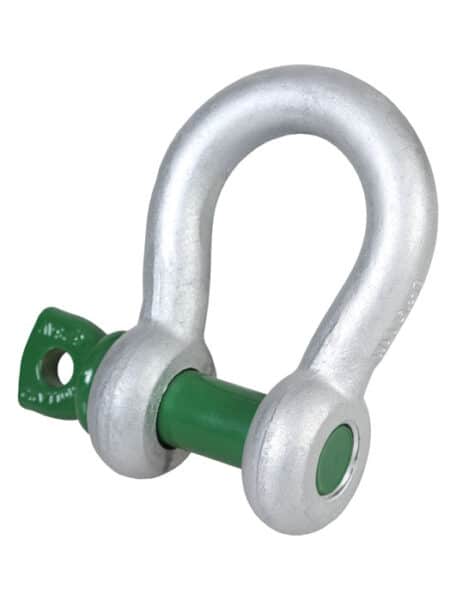

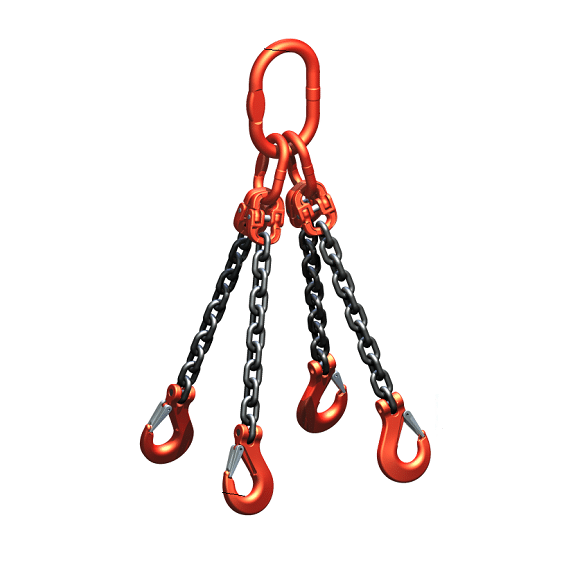
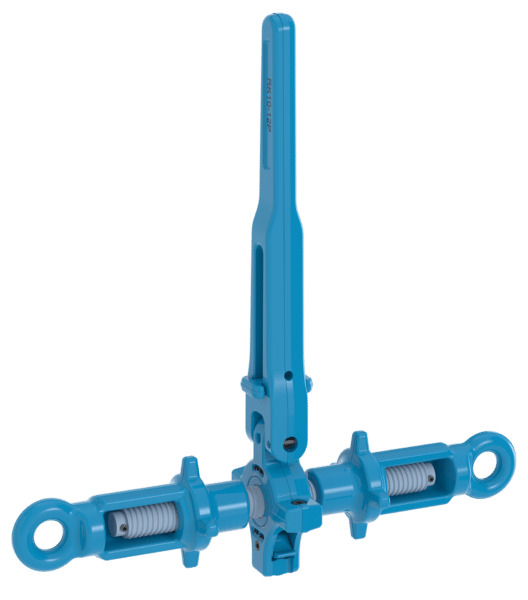
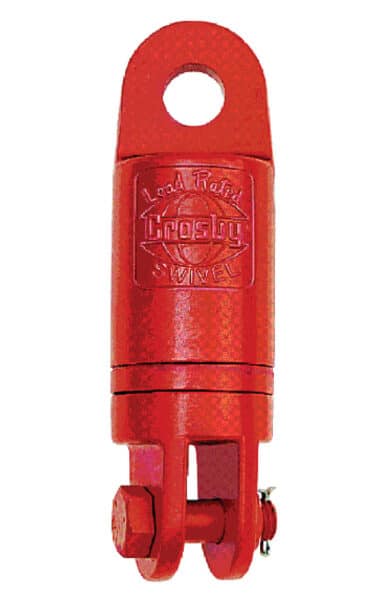
Grade 12 Chain Slings, Grade 10 Chain Slings, Grade 8 Chain Slings

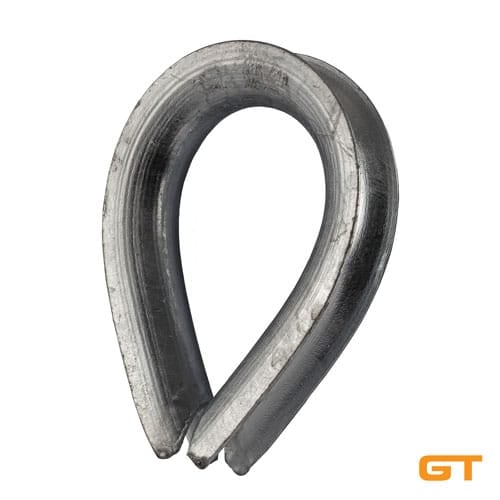



Hoists and trolleys



Beams and frames
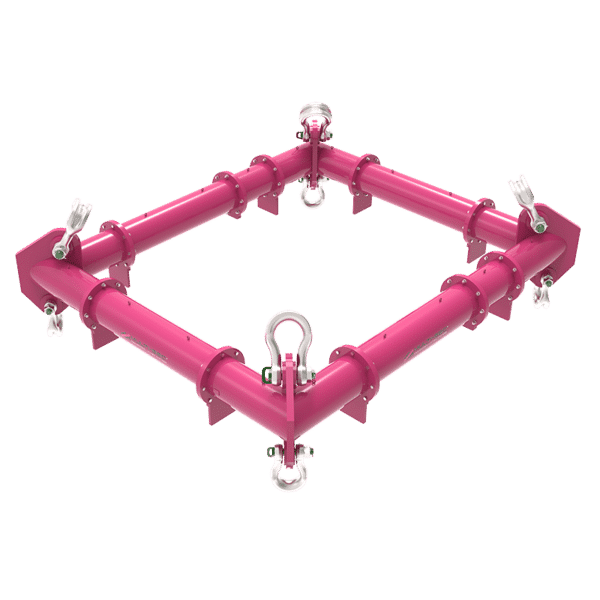

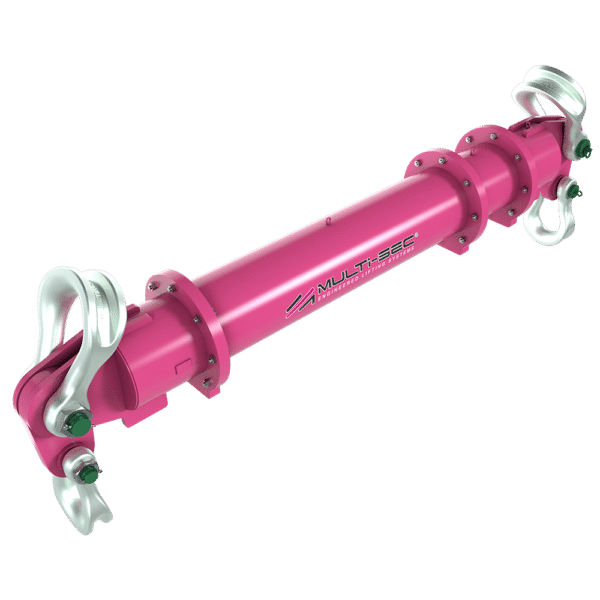
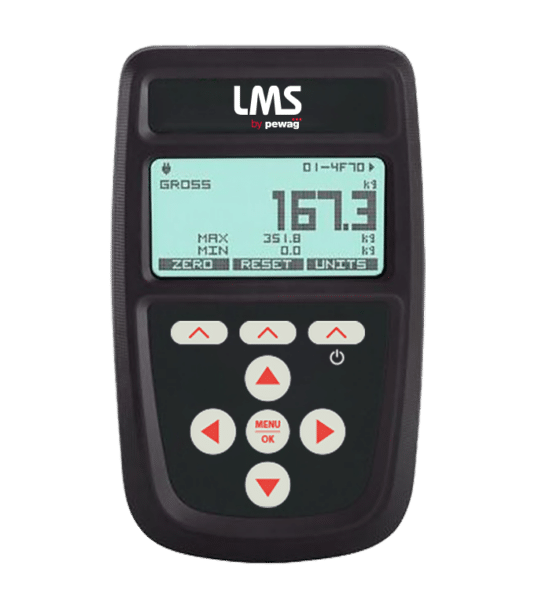

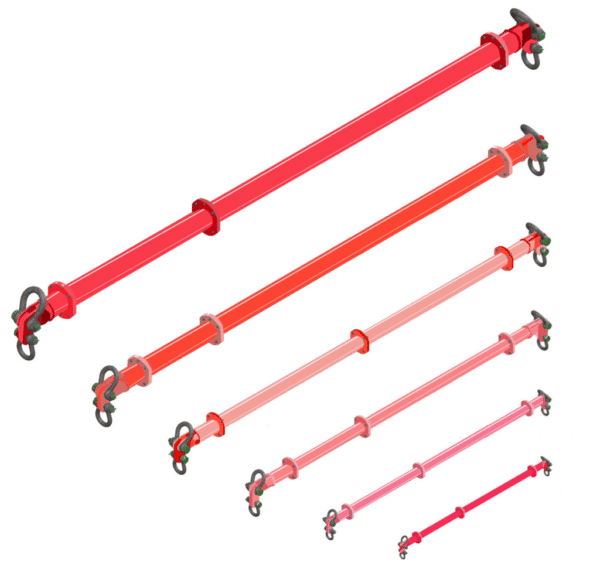
Modulift MOD 110, Modulift MOD 110H, Modulift MOD 6, Modulift MOD 12 +5 more


-
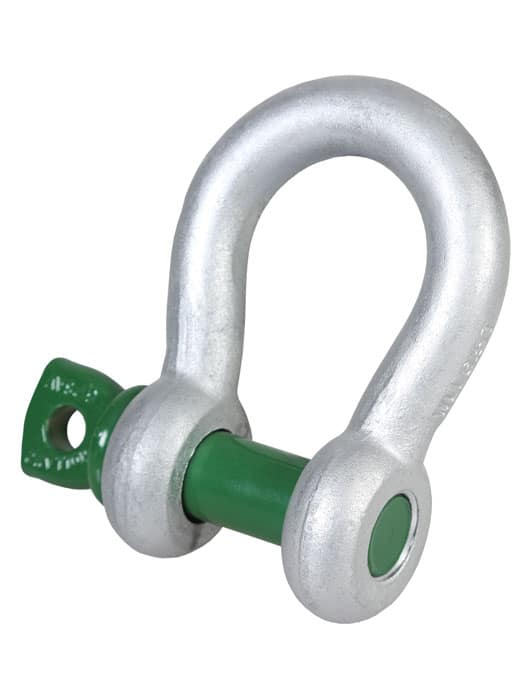 Hire or buyGreen PinGreen Pin Standard Bow Shackle with Screw Collar Pin GPSCBSize0.33t – 55tAvailable18 sizesDelivery1–3 daysfrom£3.54inc VAT£2.95ex VAT
-
 Hire or buyEichingerBlock GrabSize800mm – 1000mmAvailable2 sizesDelivery2–3 daysfrom£2,771.02inc VAT£2,309.18ex VAT
-
 Hire or buyConquipConquip Gas Bottle Lifting Cage - 2 x Propane & 2 x OxygenPart no.CA-GAS-CAGE-2P2OAvailableOne sizeDelivery2–3 days£792.00inc VAT£660.00ex VAT
-
 Hire or buyEichingerEichinger Telescopic Self Levelling Brick ForkSize2TPart no.TELE-FORKDelivery2–3 days£2,025.00inc VAT£1,687.50ex VAT
-
 Hire or buyWolff OnsiteConcrete Column SkipSize500L – 2000LAvailable5 sizesDelivery2–3 daysfrom£2,514.00inc VAT£2,095.00ex VAT
-
 Hire onlyModuliftModulift MOD6 3mSize3mAvailableOne sizeDeliveryDelivered & collected£27.60inc VAT£23.00ex VAT
-
 Hire or buyConquipConquip XXL Lifting CageCapacity5000kgPart no.CA124-10824Delivery2–3 days£9,907.20inc VAT£8,256.00ex VAT
-
 Hire or buyConquipConquip Crane ForksTypeFixed Height +1Available2 optionsDelivery2–3 daysfrom£1,584.00inc VAT£1,320.00ex VAT
-
 Hire or buyConquipConquip Goods CageSizeLarge +1Available5 optionsDelivery2–3 daysfrom£2,376.00inc VAT£1,980.00ex VAT
-
 Hire or buyConquipConquip Autolock Tipping SkipCapacity500L – 1200LAvailable9 sizesDelivery2–3 daysfrom£648.00inc VAT£540.00ex VAT
-
 Hire or buyEichingerEichinger Self Levelling Brick ForksSize2TPart no.30072151Delivery2–3 days£1,438.30inc VAT£1,198.58ex VAT
-
 Hire or buyWolff OnsiteBoat SkipSize500L – 4000LAvailable7 sizesDelivery2–3 daysfrom£744.00inc VAT£620.00ex VAT
-
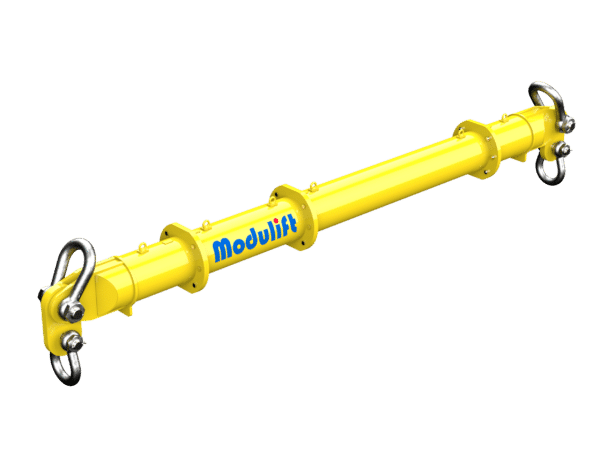 Hire onlyModuliftModulift MOD 400/600 Spreader Beam HireSpan2.0m – 24.0mAvailable45 sizesDeliveryDelivered & collectedfrom£377.28inc VAT£314.40ex VAT
-
Hire onlyModuliftModulift MOD 400/400 Spreader Beam HireSpan2.0m – 24.0mAvailable45 sizesDeliveryDelivered & collectedfrom£222.72inc VAT£185.60ex VAT
-
Hire onlyModuliftModulift MOD 250 Spreader Beam HireSpan2.0m – 15.5mAvailable28 sizesDeliveryDelivered & collectedfrom£178.82inc VAT£149.02ex VAT
-
Hire onlyModuliftModulift MOD 110H Spreader Beam HireSpan2.0m – 18.0mAvailable33 sizesDeliveryDelivered & collectedfrom£70.48inc VAT£58.73ex VAT
-
Hire onlyModuliftModulift MOD 110 Spreader Beam HireSpan2.0m – 18.0mAvailable33 sizesDeliveryDelivered & collectedfrom£53.68inc VAT£44.73ex VAT
-
Hire onlyModuliftModulift MOD 70H Spreader Beam HireSpan1.0m – 14.0mAvailable27 sizesDeliveryDelivered & collectedfrom£34.60inc VAT£28.83ex VAT
-
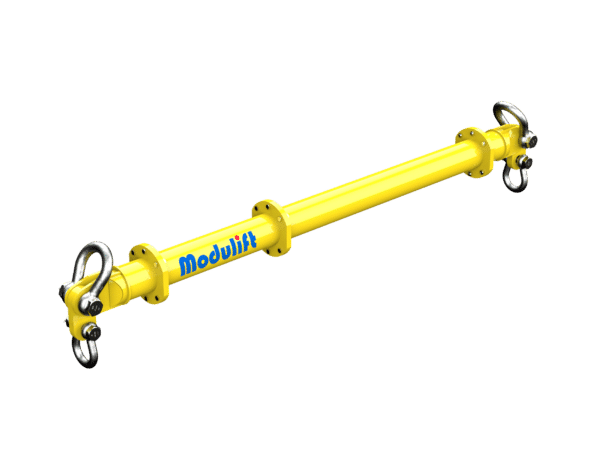 Hire onlyModuliftModulift MOD 70 Spreader Beam HireSpan1.0m – 14.0mAvailable27 sizesDeliveryDelivered & collectedfrom£26.58inc VAT£22.15ex VAT
-
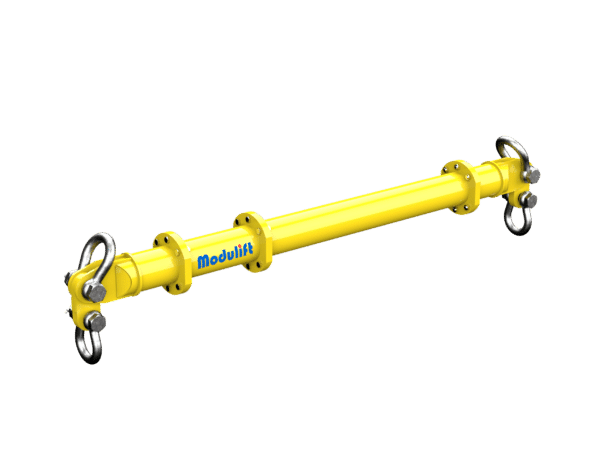 Hire onlyModuliftModulift MOD 50 Spreader Beam HireSpan1.0m – 13.0mAvailable25 sizesDeliveryDelivered & collectedfrom£21.78inc VAT£18.15ex VAT
-
Hire onlyModuliftModulift MOD 24 Spreader Beam HireSpan1.0m – 8.0mAvailable15 sizesDeliveryDelivered & collectedfrom£14.32inc VAT£11.93ex VAT
-
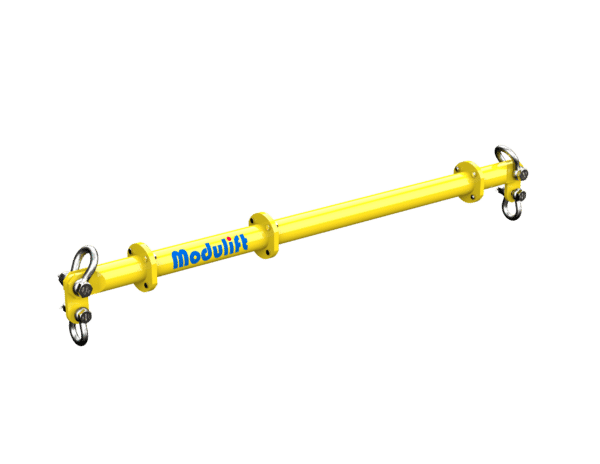 Hire onlyModuliftModulift MOD 12 Spreader Beam HireSpan1.0m – 6.5mAvailable12 sizesDeliveryDelivered & collectedfrom£8.20inc VAT£6.83ex VAT
-
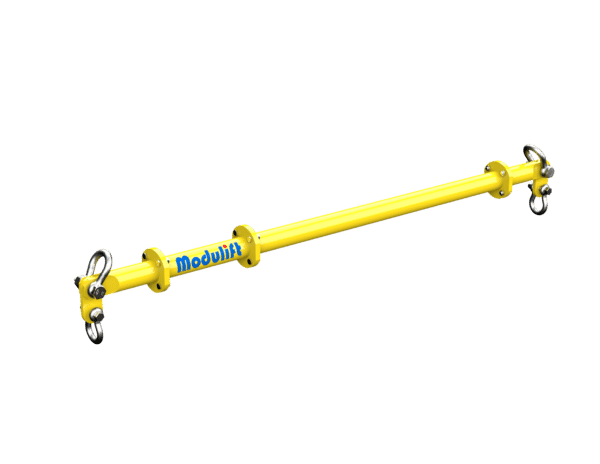 Hire onlyModuliftModulift MOD 6 Spreader Beam HireSpan1.0m – 4.5mAvailable8 sizesDeliveryDelivered & collectedfrom£7.27inc VAT£6.06ex VAT
-
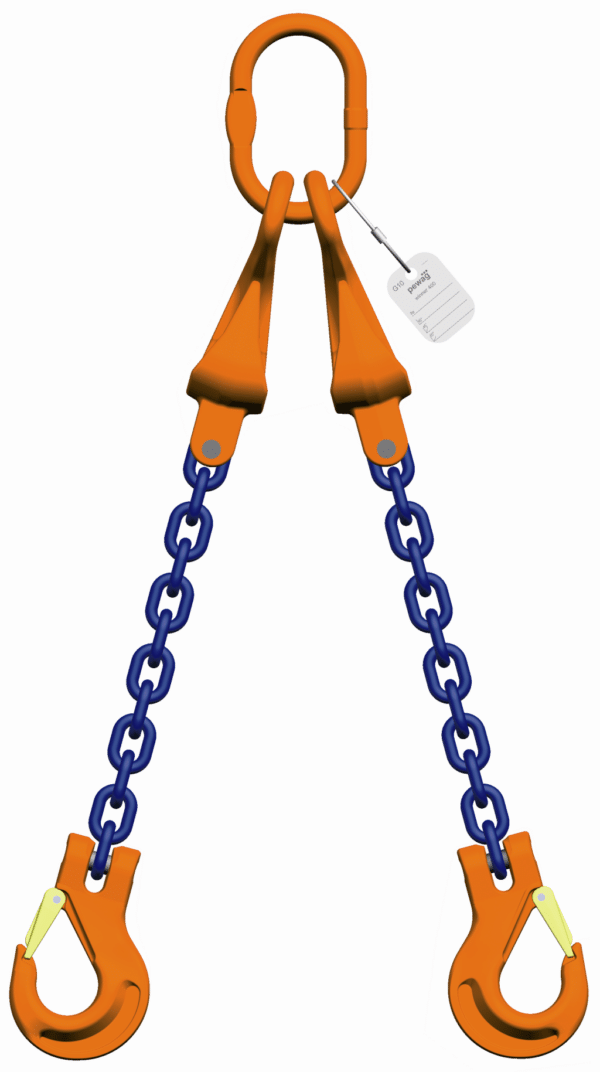 Hire onlyPewagGrade 10 Collar Chain Sling HireChain diameter13mm – 32mmAvailable8 sizesDeliveryDelivered & collectedfrom£2.38inc VAT£1.98ex VAT
-
Hire onlyPewagGrade 10 Four-Leg Chain Sling HireConfigurationG10 10mm – 8t WLL – 3m EWL – Shortening clutch & safety hook +11Available12 optionsDeliveryDelivered & collectedfrom£4.96inc VAT£4.13ex VAT
-
Hire onlyPewagGrade 10 Two-Leg Chain Sling HireConfigurationG10 10mm – 5.6t WLL – 1.34m EWL – 4.75t safety bow shackles +15Available16 optionsDeliveryDelivered & collectedfrom£3.11inc VAT£2.59ex VAT
-
Hire onlyPewagGrade 10 Single-Leg Chain Sling HireConfigurationG10 10mm – 4t WLL – 1m EWL – Shortening clutch & safety hook +14Available15 optionsDeliveryDelivered & collectedfrom£1.54inc VAT£1.28ex VAT
-
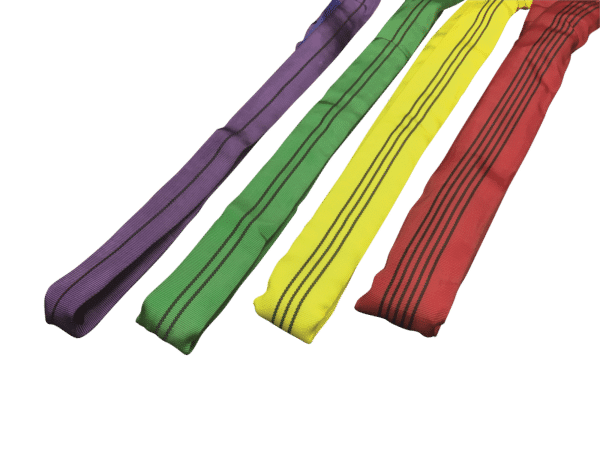 Hire onlyCheckmatePolyester Round Sling HireWorking load .1t – 120tAvailable108 sizesDeliveryDelivered & collectedfrom£0.28inc VAT£0.23ex VAT
-
 Hire onlyGreen PinGreen Pin Sling Shackle Hire 30t to 400tWorking load .30t – 400tAvailable9 sizesDeliveryDelivered & collectedfrom£7.56inc VAT£6.30ex VAT
-
Hire onlyGreen PinGreen Pin Super Bow Shackle Hire 150tWorking load .150tAvailable1 optionDeliveryDelivered & collected£16.97inc VAT£14.14ex VAT
-
Hire onlyGreen PinGreen Pin Bow Shackle Safety Pin Hire 85t to 150tWorking load .85t – 150tAvailable3 sizesDeliveryDelivered & collectedfrom£4.50inc VAT£3.75ex VAT
-
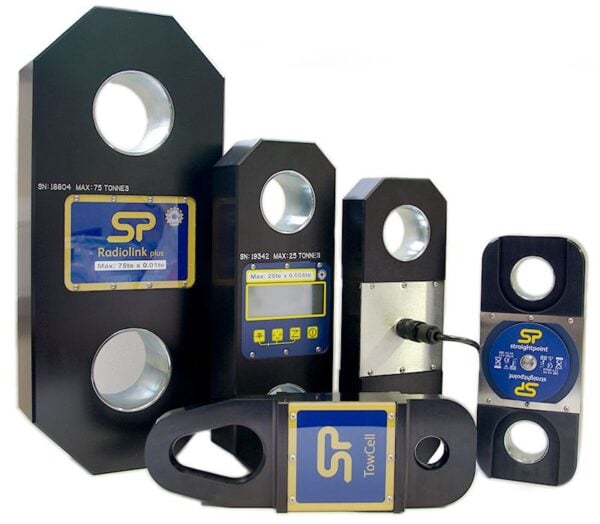 Hire onlyStraightpointStraightpoint Radiolink Wireless Load Cell HireCapacity2.5t – 250tAvailable11 sizesDeliveryDelivered & collectedfrom£19.98inc VAT£16.65ex VAT
-
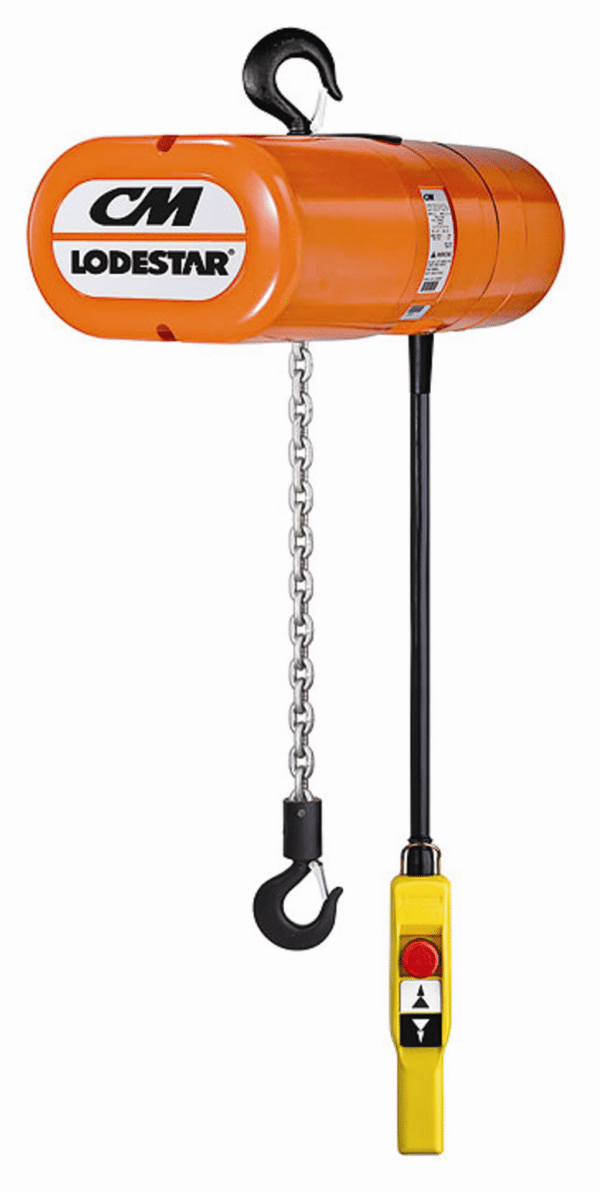 Hire onlyCMCM Lodestar 110V Electric Chain Hoist HireCapacity1t – 3tAvailable18 sizesDeliveryDelivered & collectedfrom£31.12inc VAT£25.93ex VAT
-
 Hire onlyJD NeuhausJD Neuhaus Air Chain Hoist HireCapacity0.5t – 60tAvailable47 sizesDeliveryDelivered & collectedfrom£33.72inc VAT£28.10ex VAT
-
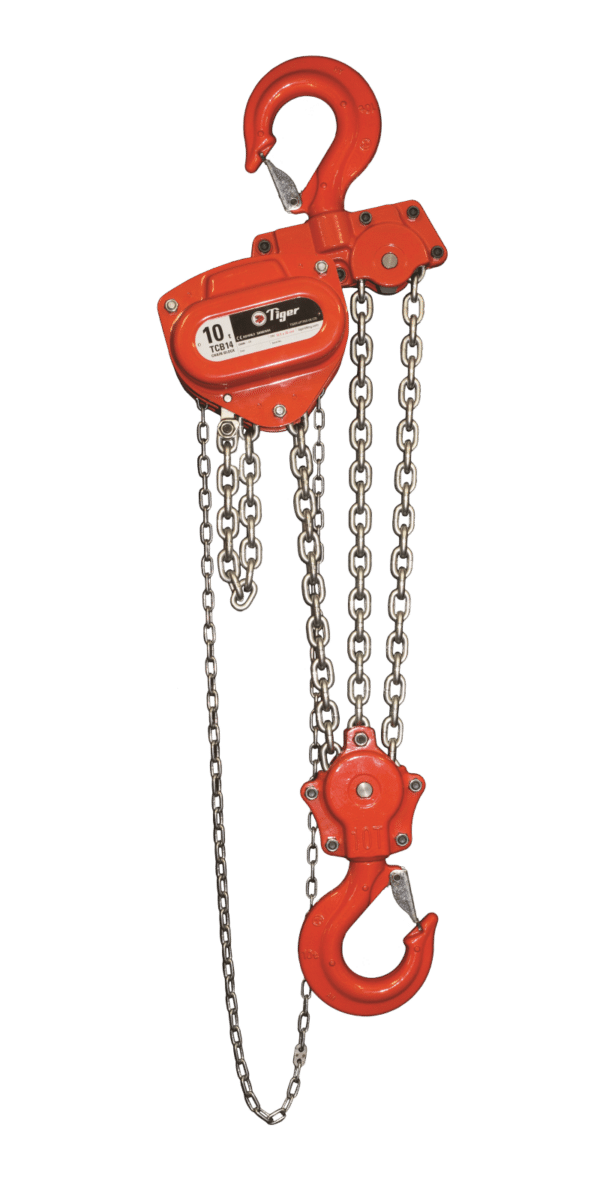 Hire onlyTigerTiger Hand Chain Hoist HireCapacity0.5t – 20tAvailable43 sizesDeliveryDelivered & collectedfrom£3.19inc VAT£2.66ex VAT
-
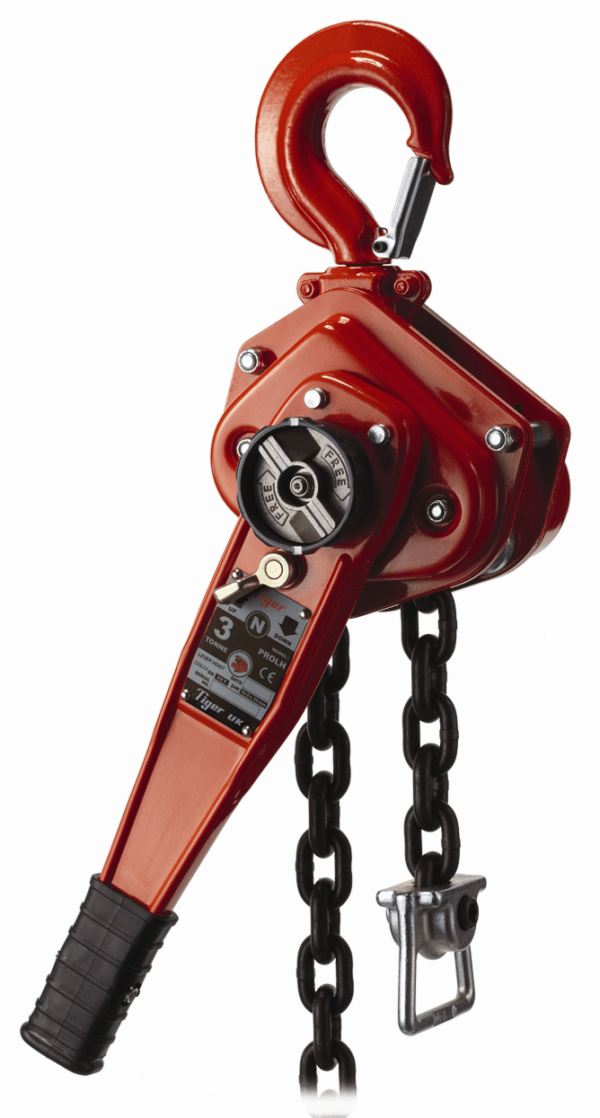 Hire onlyTigerTiger Lever Hoist HireCapacity0.5t – 10tAvailable22 sizesDeliveryDelivered & collectedfrom£3.04inc VAT£2.53ex VAT
-
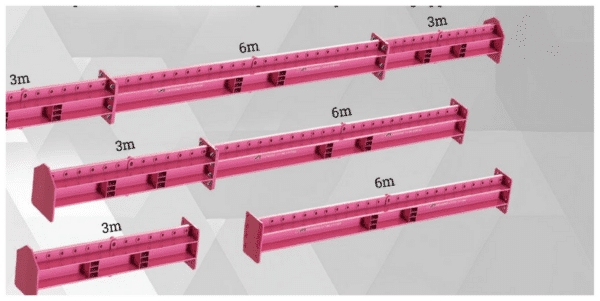 Hire or buyMulti-SecMulti-Sec MP-25 Multi-Point Lifting BeamSpan3m – 6mAvailable2 sizesDelivery2–3 daysfrom£9,629.35inc VAT£8,024.46ex VAT
-
Hire or buyMulti-SecMulti-Sec MP-13 Multi-Point Lifting BeamSpan3m – 6mAvailable2 sizesDelivery2–3 daysfrom£7,879.09inc VAT£6,565.91ex VAT
-
Hire or buyMulti-SecMulti-Sec Multi F 50 Modular Lifting FrameFrame size2m x 2m +7Available8 optionsDelivery2–3 daysfrom£13,443.67inc VAT£11,203.06ex VAT
-
Hire or buyMulti-SecMulti-Sec Multi F 25 Modular Lifting FrameFrame size2m x 2m +5Available6 optionsDelivery2–3 daysfrom£10,594.91inc VAT£8,829.09ex VAT
-
Hire or buyMulti-SecMulti-Sec Multi F 13 Modular Lifting FrameFrame size2m x 2m +4Available5 optionsDelivery2–3 daysfrom£7,828.97inc VAT£6,524.14ex VAT
-
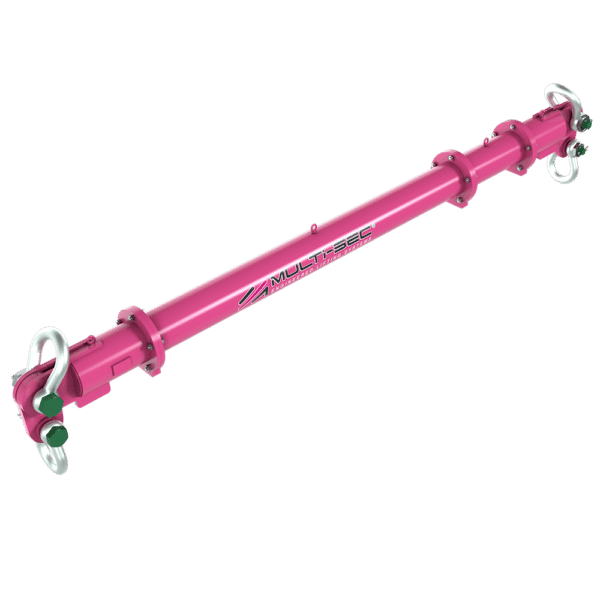 Hire or buyMulti-SecMulti-Sec Multi 50 Modular Spreader Beam SystemLifting centr.2m – 9.5mAvailable7 sizesDelivery2–3 daysfrom£3,469.50inc VAT£2,891.25ex VAT
-
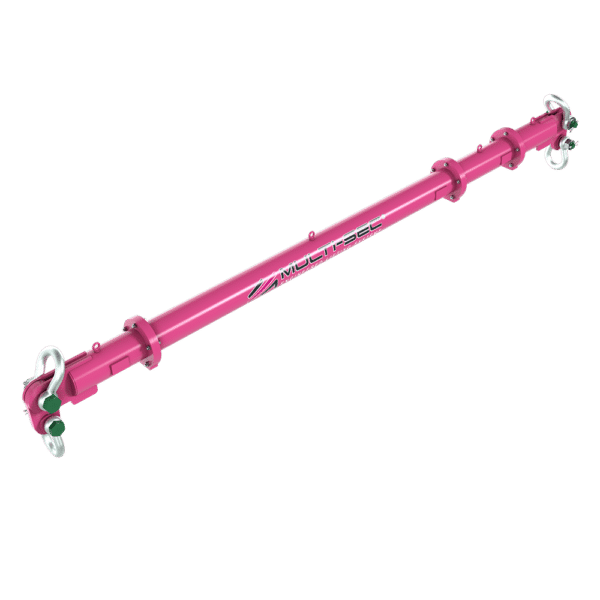 Hire or buyMulti-SecMulti-Sec Multi 25 Modular Spreader Beam SystemLifting centr.2m – 7.25mAvailable6 sizesDelivery2–3 daysfrom£2,311.68inc VAT£1,926.40ex VAT
-
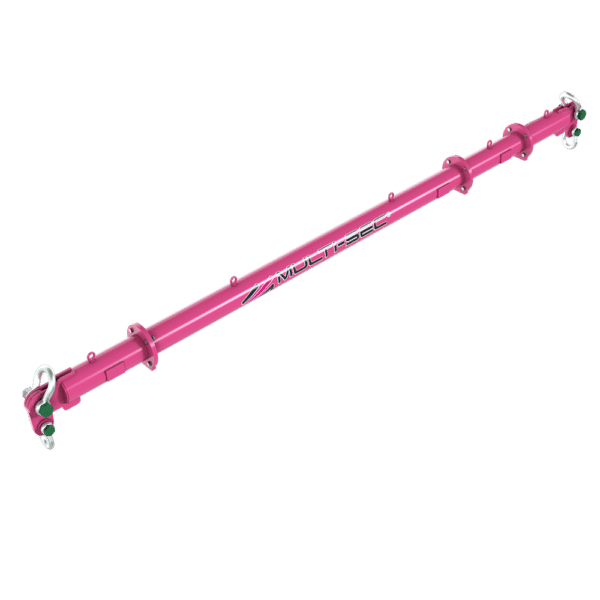 Hire or buyMulti-SecMulti-Sec Multi 13 Modular Spreader Beam SystemLifting centr.2m – 5.75mAvailable5 sizesDelivery2–3 daysfrom£1,657.45inc VAT£1,381.21ex VAT
-
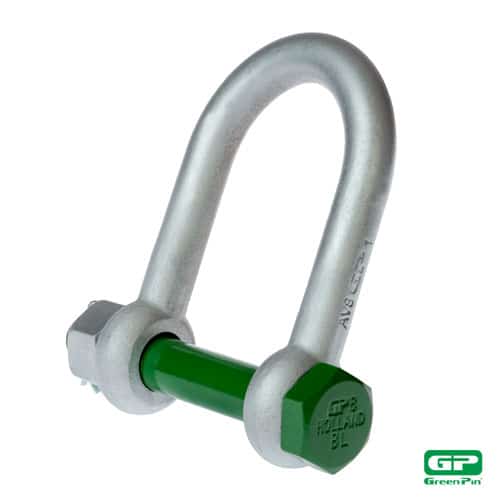 Hire or buyGreen PinGreen Pin BigMouth Bow Shackle with Safety Nut and Bolt Pin GPWMSize4.75t – 75tAvailable10 sizesDelivery1–3 daysfrom£52.63inc VAT£43.86ex VAT
-
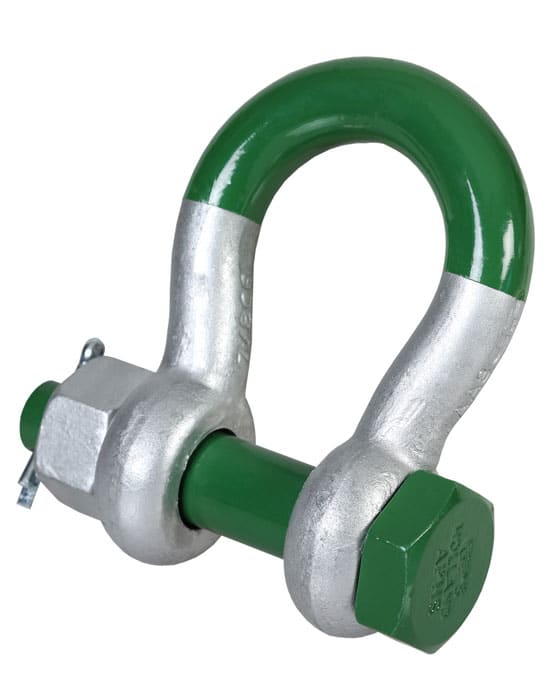 Hire or buyGreen PinGreen Pin Super Bow Shackle with Safety Nut and Bolt Pin GPSUPSize3.3t – 120tAvailable13 sizesDelivery1–3 daysfrom£37.87inc VAT£31.56ex VAT
-
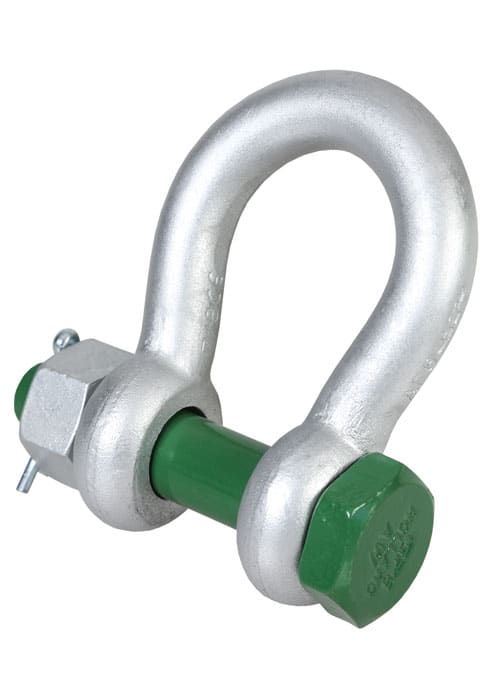 Hire or buyGreen PinGreen Pin Standard Bow Shackle with Safety Nut and Bolt Pin GPSABSize0.5t – 55tAvailable17 sizesDelivery1–3 daysfrom£4.74inc VAT£3.95ex VAT
-
 Hire or buyConquipConquip Access Cage - 6 PersonCapacity6 PersonPart no.CA123-00720-6PDelivery2–3 days£7,056.00inc VAT£5,880.00ex VAT


Lifting Equipment
How our lifting equipment range is organised
This section holds over 1,300 products for construction sites, workshops, plant rooms and crane operations. They fall into five groups:
- Slings and rigging: webbing, round and chain slings, shackles, chain and fittings, wire rope fittings, swivels, turnbuckles and load binding. Brands include pewag, Green Pin and LiftKing.
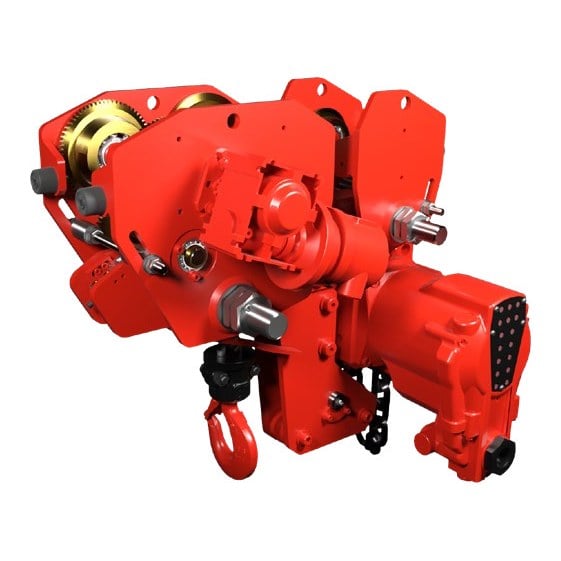
- Hoists and trolleys: hand chain hoists, ratchet lever hoists, electric and pneumatic chain hoists, beam trolleys, pulley blocks and spare parts, from Yale, STAHL and others.
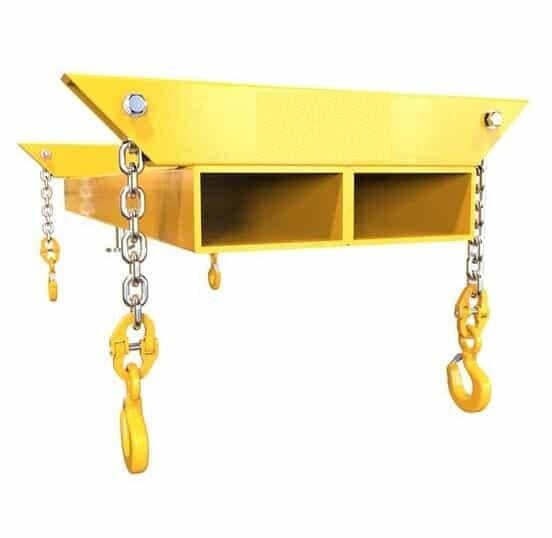
- Beams and frames: fixed and modular spreader beams, lifting frames, weighing equipment and test weights, from Modulift and Multi-Sec.
- Crane attachments: concrete, tipping, boat and muck skips, man baskets and goods cages for tower and mobile cranes, from Conquip, Eichinger and Invicta.
- Forklift attachments and height safety: fork-mounted jibs and skips, harnesses, lanyards and fall arrest blocks.
Choosing the right equipment
Start with the job, then work back to the product:
- Connecting a load to a hook: you need rigging. Pick the sling material for the load surface and the shackle for the connection, and check every part is rated for its share of the load. Browse lifting slings first.
- Lifting where there is no crane: a hoist hung from a beam or rated anchor point does the work. Hand chain and lever hoists need no power. Electric hoists need a mains supply, and air hoists need compressed air. See hoists and trolleys.
- Long, wide or flexible loads: a beam or frame keeps slings vertical and stops the load being crushed. Our spreader beams page explains spreader and lifting beams, and modular systems that adjust to different spans.
- Moving loose material or people by crane: use a purpose-built crane skip or a man basket designed and marked for lifting people.
Marking and LOLER basics
The Lifting Operations and Lifting Equipment Regulations 1998 (LOLER) apply to anyone who owns, operates or controls lifting equipment, including hired kit. The rules that affect what you buy are:
- Marking: lifting machinery and accessories must be clearly marked with their safe working load. Where the safe load changes with configuration, as with a modular beam, the load for each configuration must be marked on the equipment or kept with it.
- Lifting people: equipment designed for lifting people must be marked for that purpose.
- Thorough examination: every 6 months for lifting accessories and anything used to lift people, and every 12 months for other lifting equipment, unless a written examination scheme sets other intervals.
- Before first use: new equipment with a Declaration of Conformity less than a year old needs no first examination, unless it is assembled on site. A trolley hoist or crane attachment assembled on site needs examining after installation.
Keep the Declaration of Conformity or test certificate that comes with each item. It is the starting point for your examination records.
Buy or hire
Many products here can be hired as well as bought, including a range of crane skips, the Multi-Sec Multi 13, 25 and 50 modular spreader beams and some chain slings. The product page shows a hire option where one exists. Hire suits one-off lifts and short projects, and avoids storing large beams or skips between jobs. Buying makes sense for kit in regular use, such as slings, shackles and hoists, where you control the examination schedule. LOLER duties apply either way, and an examination report that finds a defect in hired equipment goes to the hire company as well as the user.
What counts as lifting equipment under LOLER?
Any work equipment for lifting or lowering loads, including the accessories used to attach, anchor or support it. That covers cranes, hoists, slings, shackles, spreader beams and man baskets.
How often does lifting equipment need a LOLER inspection?
Every 6 months for lifting accessories and equipment used to lift people, and every 12 months for other lifting equipment, unless a written examination scheme sets different intervals.
What is the difference between lifting equipment and a lifting accessory?
Lifting equipment lifts the load, such as a hoist or crane. A lifting accessory connects the load to it, such as a sling, shackle or spreader beam, and needs examining more often.
Does new lifting equipment need a thorough examination before use?
Not if it has a Declaration of Conformity less than a year old and is not assembled on site. Equipment assembled on site must be examined after installation and before first use.
Can I hire lifting equipment instead of buying it?
Yes, for many products. Crane skips, smaller Multi-Sec modular spreader beams and some chain slings can be hired, and the product page shows the hire option where it is available.
What must be marked on lifting equipment?
Its safe working load. Where the safe load changes with configuration, the load for each configuration must be marked or kept with the equipment, and equipment for lifting people must be marked as such.
What types of Lifting Equipment are available?
The range covers Grabs, Spring Balancers, Lifting Hooks, Tower Crane Signs, Winches, Overhang Beams, Excavator Attachments and Spare Parts.
Which brands do you stock for Lifting Equipment?
We supply Yale, Pfaff-Silberblau, STAHL, Sealey, Red Rooster, EMCE and KITO. Ranges vary, so check the brand page for the full listing.